1. Costa Rica Energy Landscape: Why Off-Grid Solar Power Stations are Mission-Critical
Costa Rica is internationally recognized as a global leader in renewable energy generation, frequently boasting that over 98% to 99% of its electricity is produced from green sources—primarily hydroelectricity, geothermal, wind, and utility-scale solar. However, this macro-level achievement hides a critical operational vulnerability for local businesses, eco-lodges, agricultural operations, and coastal communities: extreme grid fragility and seasonal power generation deficits.
The Costa Rican electrical grid, managed by the Instituto Costarricense de Electricidad (ICE) and regional cooperatives such as CONELECTRICAS, CoopeGuanacaste, and CoopeSantos, relies heavily on water reservoirs. During the tropical dry season (verano, running from December through April), water levels in major hydroelectric dams like Reventazón and Arenal drop significantly. This structural vulnerability is severely amplified during El Niño Southern Oscillation (ENSO) events, causing severe power rationing, scheduled brownouts, and surging peak-hour industrial tariffs across the Central Valley (San José, Heredia, Alajuela) and rural provinces.
Information Gain Insight: While Costa Rica's centralized grid is green, it is not consistently reliable. Portable solar power stations provide local businesses with 100% localized power autonomy, eliminating loss of revenue during seasonal grid load shedding and climate-induced blackouts.
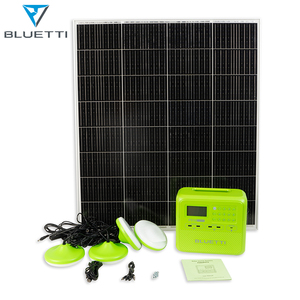
Conversely, during the wet season (invierno, May through November), intense tropical storms, mudslides, and lightning strikes frequently sever overhead power distribution lines in rugged rural regions such as the Osa Peninsula, Nicoya Peninsula, Talamanca, and Sarapiquí. For eco-resorts charging premium rates for off-grid wilderness luxury, grid failure translates to compromised guest experiences, spoiled organic food stores, and broken communication channels. Consequently, Costa Rican commercial buyers are rapidly transitioning from noisy, polluting diesel generators to advanced Solar Powered Portable Power Stations featuring high-density Lithium Iron Phosphate (LiFePO4) chemistry.
2. Engineering Solar Generators for Tropical Climate Resilience
Exporting portable energy storage systems to Costa Rica requires specialized hardware adaptation. Standard consumer-grade power stations manufactured for temperate zones frequently suffer premature electronic failure when deployed in Central America due to three environmental stressors: high atmospheric humidity, elevated ambient temperatures, and saline atmospheric exposure in coastal resort corridors.
A. Microclimate Conformal Protection & IP Ratings
In regions like Manuel Antonio, Papagayo, and Puerto Viejo, relative air humidity consistently exceeds 85% to 95%. When hot ambient air meets cold electronic heatsinks inside an inverter enclosure, internal condensation occurs. As a premier manufacturer and global exporter, our portable power stations undergo a specialized manufacturing phase: ultra-thick conformal resin coating applied to all Printed Circuit Board Assemblies (PCBAs). This barrier prevents moisture ingress, fungal growth, and micro-short circuits caused by airborne tropical salts.
B. Battery Chemistry Comparison: LiFePO4 vs. Traditional NCM
For commercial importers and distributors in San José supplying the local market, selecting the correct internal battery chemistry is vital for brand reputation and warranty management. The table below illustrates why our factory exclusively recommends Lithium Iron Phosphate (LiFePO4) for Costa Rican climate deployments:
| Performance Specification |
Commercial LiFePO4 (Our System) |
Standard NCM Lithium-Ion |
Legacy Sealed Lead-Acid (SLA) |
| Cycle Life (80% DOD) |
3,500 - 6,000 Cycles |
500 - 1,000 Cycles |
300 - 500 Cycles |
| Thermal Runaway Threshold |
270°C (Extremely Safe) |
210°C (Moderate Risk) |
60°C (Off-gassing Risk) |
| Continuous Ambient Operating Temp |
-10°C to +55°C (Ideal for Tropics) |
0°C to +40°C (Performance Loss) |
15°C to +30°C (Rapid Degradation) |
| MPPT Charge Controller Efficiency |
99.5% Peak Tracking |
93% - 95% Standard PWM |
80% - 85% Basic Linear |
| BMS Protection Protocols |
Active Cell Balancing + Temp Sensors |
Basic Over-charge Cutoff |
Fused Short Circuit Only |
Our integrated Battery Management System (BMS) continuously monitors individual cell voltages, temperature gradients across internal aluminum heat spreaders, and real-time state of charge (SoC). Even when solar panels are mounted under intense equatorial radiation receiving over 5.5 peak sun hours per day in Guanacaste, thermal throttling algorithms guarantee battery stability without shutdown.
3. Costa Rican Solar Trends & Importing Regulatory Advantages (Laws 7447 & 10087)
Costa Rica’s strategic vision is anchored by the Plan Nacional de Descarbonización 2018-2050, which aims to achieve a net-zero emission economy. To accelerate this transition, the Costa Rican Legislative Assembly enacted regulatory frameworks that directly benefit commercial importers and B2B buyers of solar hardware:
A. Import Duty & Tax Exemptions under Law 7447
Under Ley No. 7447 (Regulación del Uso Racional de la Energía) and its updated executive decrees, certified solar panels, solar charge controllers, direct DC energy appliances, and specialized solar energy storage systems are eligible for zero or significantly reduced import tariffs (Arancel de Importación) and value-added tax (VAT / IVA) relief upon customs entry at Puerto Caldera (Pacific) or Puerto Limón (Caribbean).
B. Surge in Distributed Generation & Off-Grid Autonomy
Recent regulatory changes governing distributed solar energy connection to the ICE grid have increased administrative fees for grid-tied net metering systems. This shift has created a massive commercial trend toward totally independent, non-grid-tied portable energy storage units. Importers supplying hardware stores (ferreterías), electrical supply chains, and green energy contractors across Costa Rica are experiencing surging demand for self-contained, pre-wired plug-and-play solar power kits that bypass complex utility permitting.
4. Why Partner with Us: Premier B2B OEM/ODM Solar Manufacturing Excellence
As a seasoned global consumer electronics and solar systems manufacturer with over 25 years of industrial experience and an export network spanning 50+ countries, we offer unmatched manufacturing capabilities tailored to Costa Rican enterprise clients.
01
OEM / ODM Customization
We offer full brand customization including custom exterior casing colors, private logo screen printing, custom user interfaces, Spanish instruction manuals, and tailored retail packaging designed specifically for Central American retail markets.
02
ISO Quality Control & Certifications
Our manufacturing facilities operate under strict ISO 9001 quality assurance standards. Every power station undergoes 100% full-load burn-in testing, thermal imaging evaluation, and vibration resistance testing prior to container loading.
03
Full System Compatibility
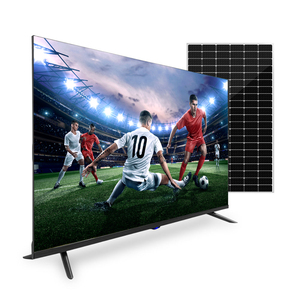
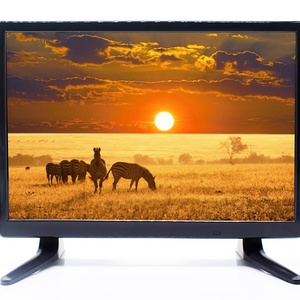
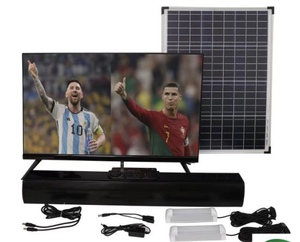
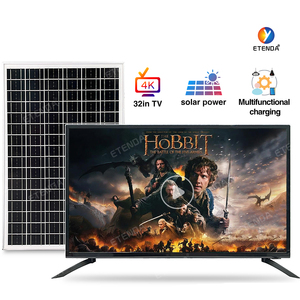
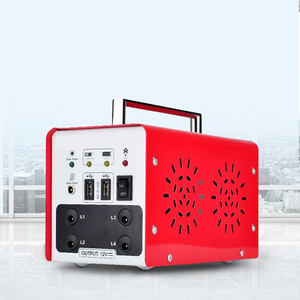
We engineer total energy ecosystems. Our power stations are natively designed to power our specialized line of ultra-low wattage DC TVs (24" to 43"), digital signage displays, and high-efficiency LED sets without external inverter losses.