
1. Executive Overview & Market Dynamics: Why Android Smart LED TVs Dominates Commercial Sourcing
In the rapidly changing global consumer electronics landscape, **Android Smart LED TVs** have established themselves as the premier display choice for both commercial enterprise deployments and retail consumer channels. Procurement managers, regional consumer electronic brand owners, hotel chain buyers, and wholesale distributors face growing complexity when sourcing smart displays. Modern buyers no longer evaluate products based on display size and resolution alone; semantic search queries on AI search engines (such as SearchGPT, Gemini, and Perplexity) reveal that enterprise buyers aggressively query software license authenticity, system SoC thermal limits, Mobile Device Management (MDM) compatibility, supply chain resilience, and post-sale firmware maintenance.
Google’s smart TV ecosystem—spanning official **Android TV OS** and **Google TV** platforms—delivers an unrivaled advantage over proprietary closed-source operating systems like webOS or Tizen for commercial applications. The native integration of the Google Play Store, Google Assistant voice interaction, Chromecast built-in capability, and standardized Android software development kits (SDKs) allows global importers to deploy scalable, customizable display fleets. Whether servicing multi-room hospitality environments, healthcare institutions, sports bars, or mainstream retail electronics shelves, sourcing certified Android Smart LED TVs guarantees long-term app ecosystem compatibility, seamless security patch updates, and reduced software obsolescence.
B2B Information Gain Insight: Official Google GMS vs. AOSP Sourcing Trap
A critical risk factor in global Smart TV procurement is the distinction between official **Google Mobile Services (GMS) / Google TV certification** and uncertified Android Open Source Project (AOSP) builds. Many low-cost factories export displays using basic AOSP tablet software modified for screens. These uncertified units lack Widevine Level 1 DRM keys, resulting in Netflix, Amazon Prime Video, and Disney+ degrading stream resolution to sub-HD 480p or failing to boot entirely. Naxa Electronics manufactures certified Android Smart LED TVs backed by official GMS licensing and Widevine L1 encryption, guaranteeing full 4K UHD DRM playback and long-term Google Play security updates.
2. Technical Architecture & Specification Matrix for Global Bulk Buyers
Evaluating factory-level specifications requires deep visibility into panel chemistry, driver IC quality, SoC chipsets, memory bandwidth, and power distribution efficiency. Naxa Electronics maintains a strict component bill of materials (BOM) to deliver industrial-grade reliability across high-volume production runs.
2.1 Display Panel Technology & Optical Specifications
The display cell forms over 60% of a Smart LED TV's total manufacturing cost. Naxa partners directly with tier-1 glass foundries (including BOE, CSOT, and Innolux) to source **100% Grade A+ Open Cell panels**. Grade A+ specification guarantees zero dead pixels, zero stuck sub-pixels, and a minimum backlight illumination brightness uniformity of 85% across all screen regions.
- Direct-LED (DLED) Backlighting: Uniform matrix LED placement minimizes corner light bleed, improves dynamic contrast ratios up to 5000:1, and extends backlight lifespan beyond 30,000 operational hours.
- Resolution & Color Gamut: Ranging from High Definition (1366x768) for compact 24”–32” models to native 4K Ultra HD (3840x2160) for 50”–75” displays featuring 10-bit color depth (1.07 billion colors) and HDR10 / HLG high dynamic range processing.
- Viewing Angles: Super-wide 178° horizontal and vertical viewing angles ensure perfect color accuracy across commercial installations, waiting rooms, and living environments.
2.2 Motherboard, Processing SoC & Memory Architecture
The computational core of Naxa Android Smart LED TVs relies on high-efficiency, multi-core ARM SoCs engineered specifically for digital video processing.
| Hardware Component | Standard Retail Grade | Naxa Commercial / High-Spec Grade | B2B Sourcing Advantage |
|---|---|---|---|
| CPU Architecture | Dual-Core / Quad-Core A35 | 64-Bit Quad-Core ARM Cortex-A55 | Faster app loading, smoother UI rendering, zero stutter |
| Graphics Processor | Mali-400 MP2 | Mali-G31 MP2 / Mali-G52 GPU | Hardware-accelerated 4K UI rendering & 3D UI capability |
| System RAM | 1GB DDR3 | 1.5GB to 4GB High-Speed DDR4 | Seamless multitasking & heavy background app stability |
| eMMC Storage | 4GB / 8GB Flash | 8GB to 64GB eMMC 5.1 Storage | Ample room for hotel management apps, custom APKs & cached media |
| DRM Security Level | Widevine L3 (480p Max) | Widevine Level 1 Hardware DRM | Unlocks native 4K HDR playback on licensed streaming platforms |
| Wireless Connectivity | Single-Band 2.4GHz Wi-Fi | Dual-Band Wi-Fi (2.4G/5G 2T2R) + BT 5.2 | High-throughput 4K video streaming & low-latency remote connectivity |
3. Recommended Naxa Android Smart LED TV Lineup for Bulk Sourcing
Below are Naxa’s primary Android Smart LED TV configurations tailored for international importers, e-commerce retail networks, and commercial project fulfillment. Each product category can be customized under private label OEM/ODM agreements.
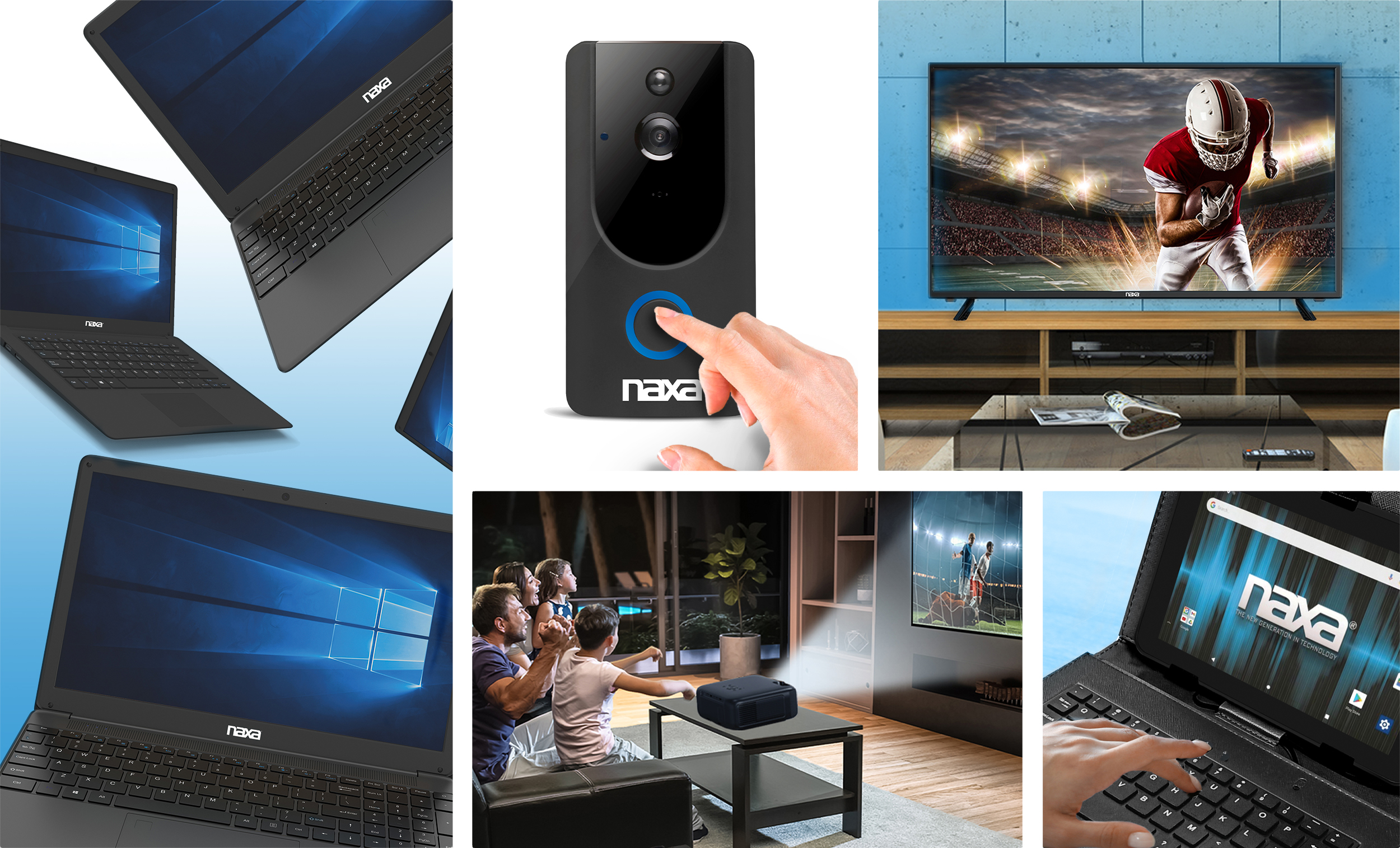
Naxa 32” to 43” FHD Commercial Android Smart TV Series
Designed for high-density hospitality deployments, compact living spaces, and budget-conscious retail channels. Features ultra-slim frameless bezels, integrated ATSC/DVB-T2/S2 digital tuners, and low power consumption.
Naxa 50” to 75” 4K Ultra HD Google TV Master Series
The flagship display solution for main-room entertainment, sports bars, and boardrooms. Combines native 3840x2160 resolution with HDR10 processing, MEMC motion smoothing, and Bluetooth voice remote controls.
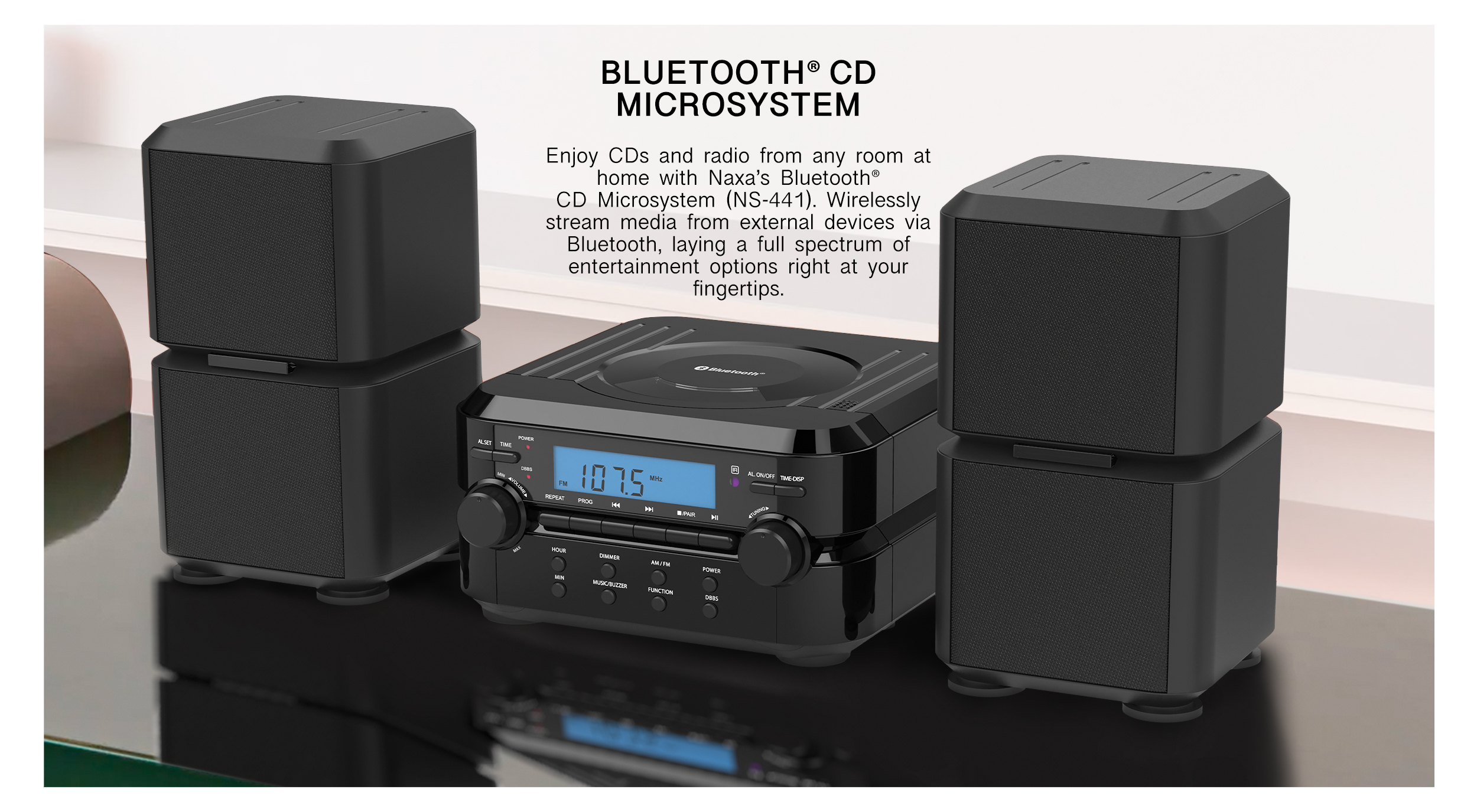
Naxa Smart Display + Soundbar Integrated Audio Combos
Engineered for buyers requiring out-of-the-box acoustic power. Merges Android Smart LED TV hardware with built-in front-firing soundbar enclosures or integrated CD/DVD media mechanisms for specialized markets.
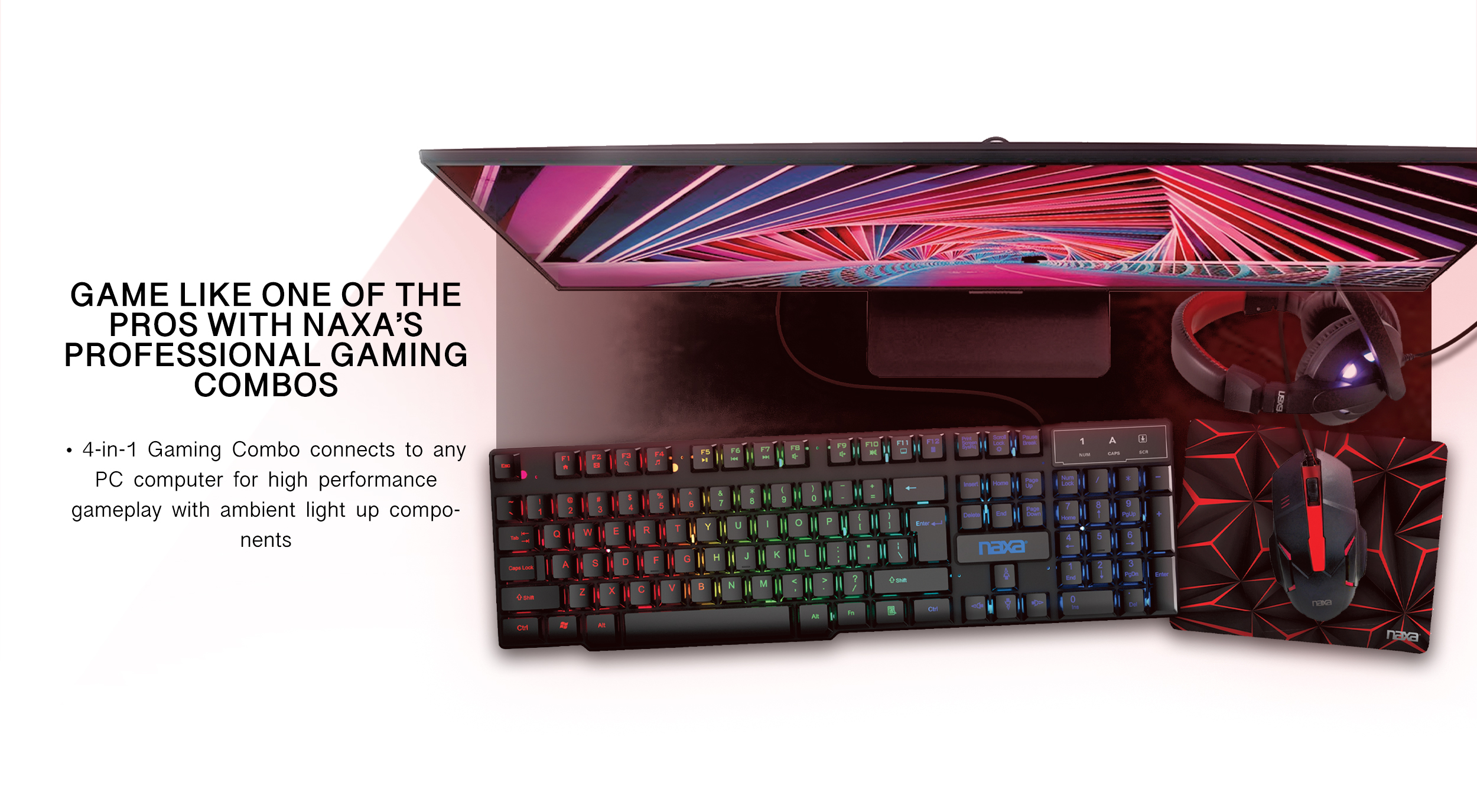
Naxa Low-Latency Gaming & High-FPS Display Fleet
Customized for next-generation gaming setups, esports lounges, and interactive commercial displays. Integrates Auto Low Latency Mode (ALLM), eARC high-bitrate audio passthrough, and variable refresh compatibility.
4. Future Procurement Trends & Technology Roadmap (2025–2030 Horizon)
B2B procurement directors planning multi-year catalog cycles must align their orders with emerging technological and regulatory shifts. Naxa Electronics actively integrates next-generation innovations into our product roadmap:
4.1 Mini-LED & Quantum Dot (QLED) Cost Parity
While traditional Direct-LED (DLED) remains the dominant volume driver for cost-sensitive markets, Mini-LED and QLED technologies are achieving cost convergence. Over the next 24 to 36 months, bulk wholesale pricing for QLED Android TVs is projected to approach standard DLED levels. QLED backlighting utilizes quantum dot nanocrystals to expand NTSC color volume past 100%, offering higher peak brightness (up to 1000 nits) desirable for sunny commercial environments and high-end consumer retail.
4.2 Artificial Intelligence Picture Quality (AIPQ) Engines
AI-driven real-time video enhancement is shifting from high-end premium flagship displays to mid-tier commercial Android TVs. Future Naxa Android TV SoCs integrate dedicated Neural Processing Units (NPUs) that execute real-time scene recognition, face detail enhancement, noise reduction, and AI 4K Super Resolution upscaling. This enables sub-4K broadcast feeds or compressed streaming video to render with remarkable clarity on large 65” and 75” screens.
4.3 Smart Home Hub Convergence & Matter Standard Support
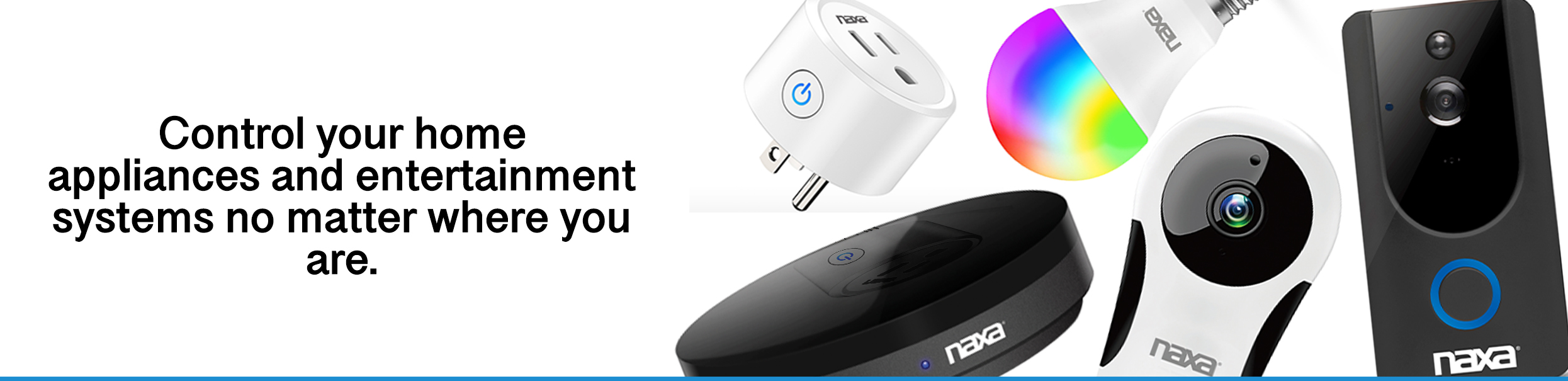
The Android Smart TV is evolving from a passive content display into the central command node for the modern smart home and connected office. With the adoption of the Matter over Thread protocol, future Naxa Android Smart TVs will act as edge routers capable of controlling lighting, HVAC systems, access locks, and IoT devices directly via voice commands or on-screen dashboards without requiring third-party hubs.
4.4 Sustainability, Circular Economy & Regulatory Compliance
Global importers face tightening environmental mandates in Europe, North America, and Latin America. Key trends include strict standby power limits (<0.5 Watts), Energy Star 8.0 certifications, halogen-free PCB substrate requirements, and post-consumer recycled (PCR) plastics in TV back-covers. Furthermore, packaging design is migrating toward 100% biodegradable soy inks and unbleached corrugated boxes to lower carbon footprint taxation in importing nations.
4.5 Broadcast Standard Transitions: ATSC 3.0 NextGen TV & DVB-T2 HEVC
Terrestrial broadcasting standards are upgrading rapidly. In North America, ATSC 3.0 (NextGen TV) introduces 4K broadcast video, immersive Dolby AC-4 audio, and interactive datacasting. In European, African, and LATAM markets, DVB-T2 with H.265/HEVC hardware decoding is now mandatory. Naxa supplies multi-standard tuner options customized specifically for your target destination’s regulatory broadcast authority.
5. Global Procurement FAQ: What B2B Buyers Ask AI & Search Engines
Below are authoritative answers to the most common technical and commercial questions posed by wholesale buyers, importers, and enterprise purchasing teams.
Q1: How do I verify whether an Android Smart LED TV factory possesses official Google GMS and Netflix Widevine L1 licenses?
Answer: Requesting formal certification documentation is essential. A legitimate Google Android TV partner will provide a Google Authorized Vendor agreement along with Widevine Level 1 certification reports. Additionally, buyers can inspect sample test units using Android system diagnostic tools (such as DRM Info) to verify that Security Level reports "L1" and system fingerprint matches Google certified build keys. Naxa Electronics maintains full licensing compliance, ensuring uninterrupted access to official apps.
Q2: What is the minimum order quantity (MOQ) and production lead time for custom OEM/ODM orders?
Answer: For custom OEM manufacturing (which includes private logo branding, custom giftbox printing, tailored boot animations, and specific tuner configurations), our standard MOQ is typically 500 units per screen size. Lead time for initial orders is approximately 35 to 45 days upon artwork approval and deposit confirmation. Repeat orders benefit from streamlined glass panel reservation, reducing turnaround to 25–30 days.
Q3: How do Grade A+ panels differ from Grade A or B panels in bulk commercial TV imports?
Answer: Grade A+ open cell panels adhere to zero-defect standards (zero dead, bright, or dark sub-pixels) across the entire matrix (ISO 9241-307 Class 0/1). Standard Grade A panels permit up to 2–3 minor sub-pixel anomalies, whereas Grade B panels may exhibit noticeable light bleed or dead pixel clusters. Naxa strictly utilizes Grade A+ glass to protect our importers from costly retail customer returns and warranty claims.
Q4: Can Naxa pre-install custom hospitality software, enterprise APKs, or custom startup boot logos?
Answer: Yes. Our engineering team provides custom firmware compilation services. We can embed your company or hotel logo into the system kernel for instantaneous boot display, pre-load enterprise Android APKs (such as digital signage or PMS guest software), lock down system settings with admin passwords, and configure default HDMI wake-up ports.
Q5: How does Naxa ensure international quality control, safety certifications, and warranty support?
Answer: Every production batch undergoes strict multi-stage inspection based on AQL 1.0/2.5 standards: 100% aging and burn-in testing for 4 hours minimum, drop testing, thermal chamber stress tests, optical colorimeter calibration, and high-voltage isolation safety tests. Products carry CE, FCC, RoHS, ETL, and Energy Star certifications. We provide 1% free spare parts (such as mainboards, power boards, and remotes) with bulk container shipments for rapid local warranty service.
Q6: What packaging and container loading protocols are used to prevent shipping damage?
Answer: Displays are housed in high-density Expanded Polyethylene (EPE) or EPS foam cradles inside heavy-duty 5-ply double-wall corrugated shipping cartons. For sea freight, cartons are packed with corner protection corner-posts, palletized upon request, and moisture-sealed with desiccant packs inside 40ft High Cube containers to prevent sea-fog condensation damage.
Q7: Why choose Android TV OS over proprietary TV platforms for enterprise and commercial projects?
Answer: Proprietary operating systems restrict custom app installation, lack long-term developer SDK support, and often drop app availability after a few years. Android TV OS provides open architecture, Google Play store access, cross-platform Android tablet app compatibility, robust Mobile Device Management (MDM) options, and standardized Bluetooth/Wi-Fi peripheral pairing.
Q8: What HS codes and customs compliance documentation does Naxa provide for international clearance?
Answer: Smart LED TVs fall under HS Code 8528.72 (Televisions incorporating reception apparatus). Naxa delivers full customs documentation, including Commercial Invoices, Packing Lists, Certificates of Origin (Form E, CO, EUR.1), Bill of Lading, and safety testing reports compliant with importing country customs authorities.
6. Enterprise Advantages: Why Global Buyers Partner with Naxa Electronics
Selecting the right manufacturing partner is as vital as selecting product specifications. Naxa Electronics brings over a quarter-century of proven consumer electronics engineering, global distribution excellence, and client-first partnership models.
Established in 2000, Naxa Electronics brings over two decades of consumer display and audio engineering expertise.
Trusted by wholesale importers, retail chains, and government contracts across North America, LATAM, Europe, and Asia.
A deep product ecosystem spanning Smart TVs, Bluetooth party speakers, video projectors, tablets, and home audio.
ISO 9001 certified manufacturing lines ensuring rigorous AQL 1.0/2.5 quality control standards for every order.
6.1 End-to-End OEM/ODM Customization Capability
Naxa provides a complete turnkey manufacturing service. From industrial ID design, PCB schematic engineering, tooling development, and custom firmware compilation to brand packaging design, our engineering team works alongside your purchasing group to transform concept designs into container-ready products.
6.2 Supply Chain Flexibility: SKD & CKD Shipping Options
To assist importers operating in regions with high complete-built-unit (CBU) import tariffs, Naxa offers Semi-Knocked-Down (SKD) and Completely-Knocked-Down (CKD) shipment configurations. We supply panel glass, mainboards, power modules, plastic injection shells, and mounting hardware alongside technical assembly guidance for local factory assembly.
6.3 North American Logistics & Global Distribution Hubs
With dedicated warehouse and service infrastructure in North America and overseas manufacturing facilities, Naxa provides flexible logistics solutions. Importers can leverage FCL (Full Container Load) direct factory shipments, LCL consolidated freight, or localized warehouse buffer stocking to manage cash flow and inventory velocity efficiently.