
1. Executive Industry Overview: Navigating the Car Audio Systems Sourcing Landscape
The global automotive aftermarket is undergoing an unprecedented technological shift. As vehicle lifespans extend beyond historical averages, consumers worldwide are actively seeking to modernize their in-cabin experiences. At the epicenter of this modernizing trend is the demand for advanced Car Audio Systems. Once evaluated purely on raw acoustic wattage and analog radio sensitivity, modern car audio systems are now complex digital ecosystem hubs requiring seamless integration with mobile software platforms, digital signal processing (DSP), CAN-Bus vehicle telemetry, and high-efficiency Class-D amplification architecture.
For enterprise procurement managers, international distributors, and retail chain buyers, selecting the right manufacturing partner for car audio equipment involves balancing multi-dimensional technical metrics against strict cost-to-margin parameters. The shift toward electric vehicles (EVs) and smart connected cars has further heightened user expectations. Today's end consumers demand zero-latency wireless smartphone mirroring, spatial audio calibration, ultra-low total harmonic distortion (THD), and rugged environmental resilience capable of enduring wide thermal swings (-20°C to 70°C) and constant road vibration.
"Modern Car Audio Systems are no longer isolated sound reproducers; they serve as the central neural bridge for cockpit infotainment, smart voice assistance, and high-definition acoustic fidelity. Sourcing decisions must prioritize modular hardware architecture and proven thermal engineering."
This comprehensive technical sourcing guide evaluates the foundational product portfolios, key acoustic engineering benchmarks, market shifts, and procurement FAQs essential for B2B buyers seeking high-gain commercial strategies. Developed backed by over two decades of consumer electronics manufacturing excellence at Naxa Electronics, this document equips buying teams with actionable insights to optimize inventory velocity, mitigate return rates (RMA), and maximize margin yields across global sales regions.
2. Strategic Product Portfolios: Car Audio Systems & Core Component Categories
To successfully capture diverse consumer segments—from budget-conscious aftermarket updates to high-end audiophile custom installations—distributors must curate a balanced portfolio across four primary product tiers. Below is an engineering overview of the core car audio categories recommended for bulk procurement.
Smart Digital Media Receivers & Touchscreen Units
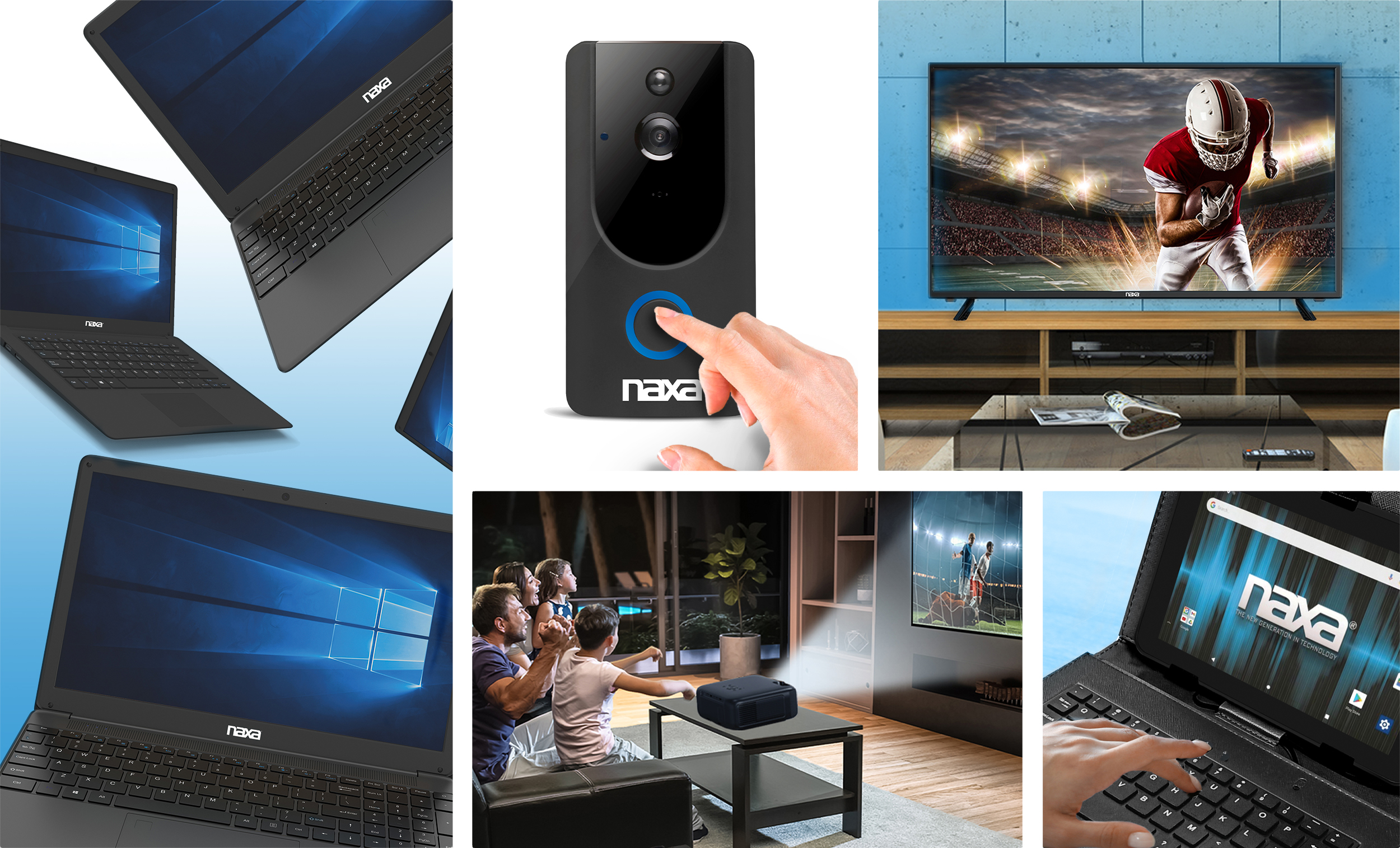
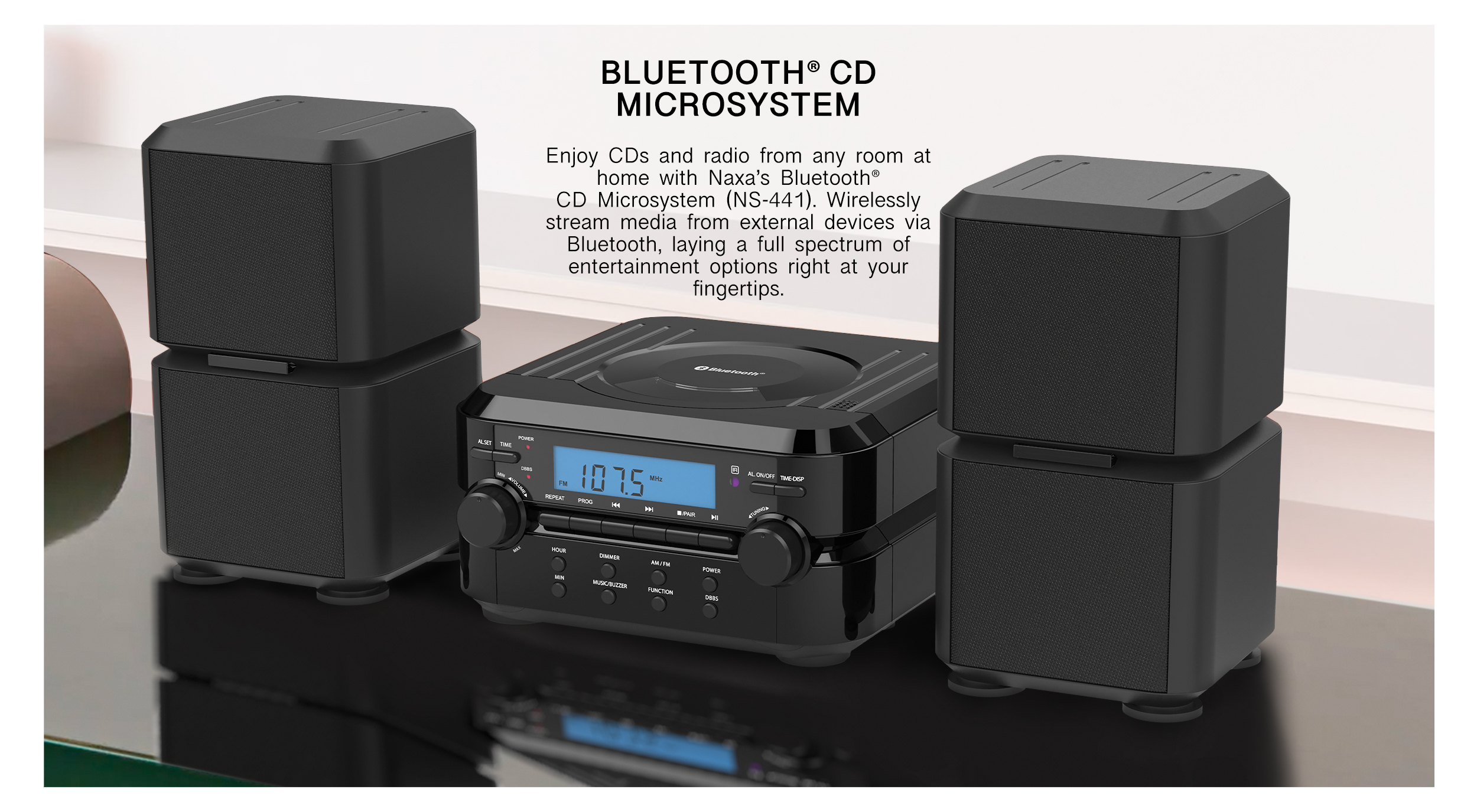
As traditional CD/DVD slot mechanisms decline, capacitive touchscreen digital media receivers (DIN-1 and DIN-2 format) lead retail sales velocity. Featuring embedded Linux or Android OS, these receivers integrate Apple CarPlay®, Android Auto™, and Bluetooth® 5.0 hands-free protocols. High-grade DACs (Digital-to-Analog Converters) ensure lossless playback from USB and wireless sources.
High-Fidelity Coaxial & Component Speakers
Speaker drivers are the final barrier in acoustic reproduction. OEM/ODM component systems utilize injection-molded polypropylene (IMPP) or woven Kevlar cones coupled with butyl rubber surrounds to deliver tight low-frequency response. Silk-dome or PEI neodymium tweeters ensure crystal-clear high-frequency extension without harsh acoustic sibilance under high power drive.
High-Efficiency Class-D Amplifiers & Subwoofers
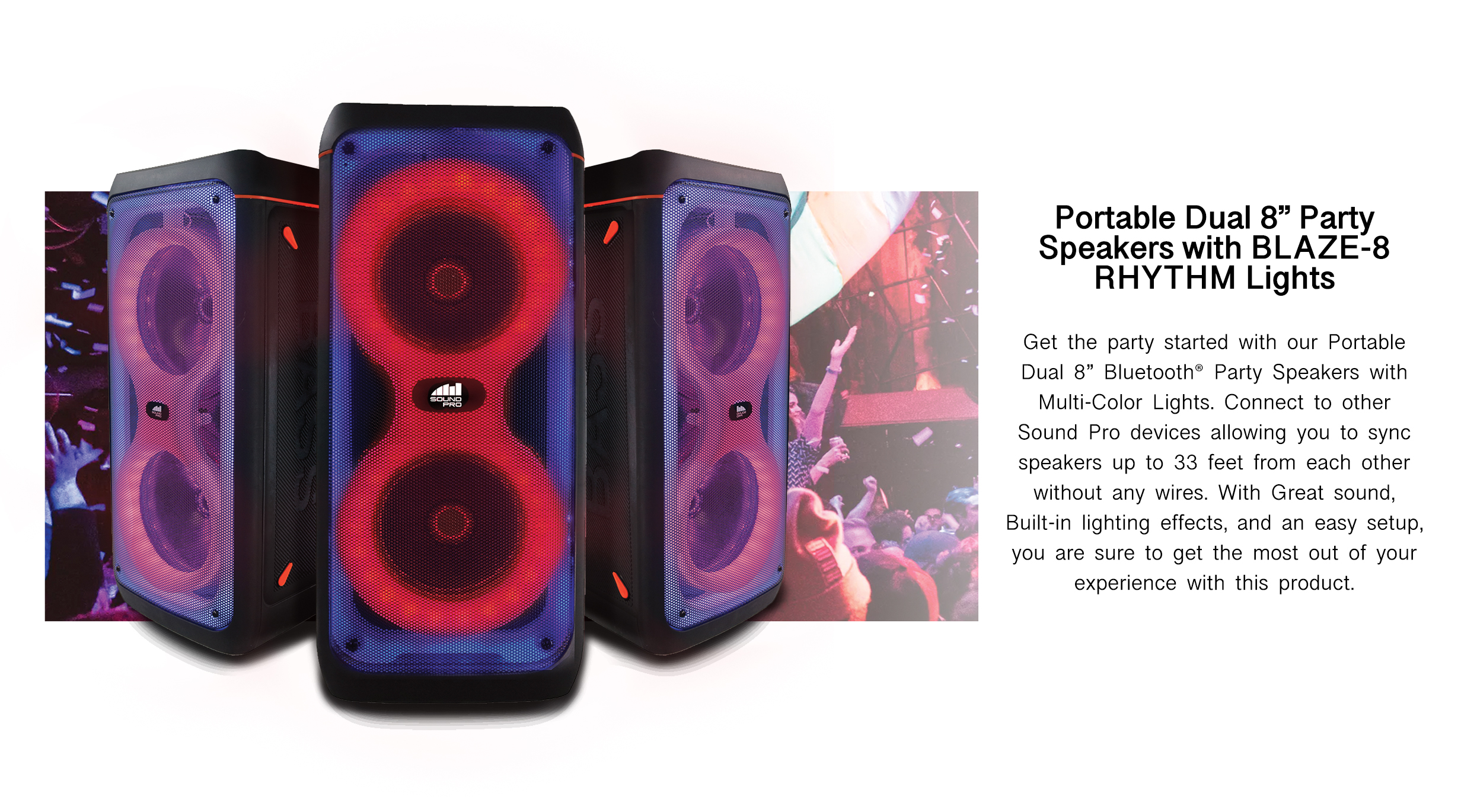
Modern vehicle electrical systems require amplification solutions that minimize thermal dissipation and current draw. Class-D topology offers up to 90% power conversion efficiency, delivering multi-channel high-RMS power in ultra-compact extruded aluminum chassis. Paired with tuned shallow-mount enclosure subwoofers, these systems provide rich, tactile bass without compromising boot cargo space.
Technical Specification Matrix for Enterprise Buyers
To assist technical procurement teams during RFQ evaluations, the following matrix outlines standard benchmark specifications across Naxa's commercial car audio product lines:
| Category | Target Platform | Key Hardware Specs | Acoustic Benchmark | Target Market Segment |
|---|---|---|---|---|
| Single-DIN Head Units | 12V Passenger / Commercial | FM/AM Tuner, USB, AUX, Bluetooth 5.0, LCD Display | 4 x 50W Max Output, SNR > 60dB | Budget Replacement & Fleet Vehicles |
| Double-DIN Smart Units | 12V/24V Vehicles | 7"-10" HD Touchscreen, CarPlay/Android Auto, Reverse Camera Input | 24-bit DAC, 13-Band EQ, 4V Pre-Outs | Mid-to-High Aftermarket Upgrade |
| Coaxial Speakers (4"-6.5") | Universal OEM Drop-in | IMPP Cone, Butyl Rubber Surround, PEI Tweeter, 4-Ohm Voice Coil | Sensitivity 89-91dB (1W/1M), 45Hz-20kHz | Mass-Market OEM Replacement |
| Component Speaker Kits | Custom Automotive Audio | Separate Woofer/Tweeter, External 2-Way Crossover Network | Sensitivity 92dB (1W/1M), Power: 100W RMS | Audiophile & Sound Competition |
| Multi-Channel Amplifiers | High-Power Aftermarket | Class-D Topology, Variable High/Low Pass Filters, Protection Circuitry | THD < 0.05%, Signal-to-Noise > 95dB | Performance Enthusiast Channel |
3. Future Sourcing Trends: Technological Evolution in Car Audio Manufacturing
Understanding where the automotive audio industry is heading over the next 3 to 7 years is vital for maintaining long-term inventory relevance and preventing stock obsolescence. Global procurement directors must align supply chains with several structural shifts currently reshaping car audio manufacturing.
A. Electric Vehicle (EV) Electrical Compatibility & Lightweighting
The global transition to Electric Vehicles (EVs) introduces strict power consumption constraints. Traditional high-draw Class-AB amplifiers pull substantial amperage from vehicle electrical systems, directly impacting battery range. Sourcing priorities are moving decisively toward ultra-high-efficiency Class-D digital amplifiers featuring low-idle power standby modes and high-frequency switching power supplies.
Furthermore, structural acoustic engineering emphasizes mass reduction. Utilizing high-density neodymium magnet structures in place of heavy ferrite rings allows manufacturers to reduce total speaker motor weight by up to 60% without diminishing magnetic flux density (Tesla) in the voice coil gap. Lightweight composite basket structures (glass-filled polycarbonates) are also replacing traditional stamped steel, directly contributing to vehicle weight optimization goals.
B. Smart Cockpit Convergence & Software-Defined Audio (SDA)
Car audio hardware is transitioning toward a Software-Defined Audio architecture. Modern head units serve as display nodes integrated into the vehicle's electronic system via CAN-Bus or Automotive Ethernet protocols. Hardware platforms must feature high-performance ARM Cortex multi-core processors, sufficient RAM/Flash storage, and Over-the-Air (OTA) firmware upgrade capabilities to support ongoing software enhancements.
C. Spatial Audio Calibration & Embedded Digital Signal Processing (DSP)
End consumers increasingly expect studio-quality spatial imaging inside the acoustically hostile cabin space (glass reflections, asymmetrical seating, ambient road noise). Factory and aftermarket solutions now heavily integrate embedded multi-channel DSP chips capable of 31-band parametric equalization, precise digital time alignment (delay per channel in milliseconds), and active crossover frequency slope adjustments (up to 24dB/octave Linkwitz-Riley filters).
D. Sustainable Materials & Circular Supply Chain Compliance
European and North American regulatory frameworks (such as REACH, RoHS 3, and WEEE) are establishing strict standards for hazardous substances and product recyclability. Forward-thinking buyers are prioritizing OEMs utilizing eco-certified recycled plastics, lead-free SMT soldering lines, and bio-based cone composites to ensure frictionless customs clearance and appeal to eco-conscious consumers.
4. Enterprise Manufacturing Advantage: Why Global Importers Partner with Naxa Electronics
For more than 25 years (established in 2000), Naxa Electronics has stood as an authoritative leader in consumer and automotive electronics manufacturing. Serving wholesale buyers, regional distributors, and big-box retailers across 50+ countries, Naxa combines deep acoustic engineering expertise with robust supply chain management.
Over two decades of proven electronics engineering, scaling global distribution networks since 2000.
Established logistical channels spanning North America, Latin America, Europe, and Asia-Pacific markets.
Diverse product lines across car audio, home audio, Smart TVs, tablets, and portable electronics.
ISO-certified production facilities adhering to FCC, CE, RoHS, and E-Mark global standards.
A. Rigid Quality Assurance & Low Defect Tolerance (RMA < 0.3%)
In high-volume consumer electronics distribution, product return rates directly erode net profitability. Naxa enforces strict quality assurance protocols at every phase of production:
- Incoming Quality Control (IQC): Automated optical inspection (AOI) of all PCB components, raw silicon, and capacitor batches.
- In-Process Quality Control (IPQC): Thermal chamber stress testing (-20°C to 80°C) and 100% full-load burn-in testing for amplifier boards.
- Acoustic Anechoic Chamber Validation: Precision laser vibrometer measurement of speaker cone displacement, frequency response linearity, and THD curve analysis.
- Out-of-Box Quality Control (OQC): Drop testing, vibration table simulation (MIL-STD-810G standard), and packaging burst strength testing before container sealing.
B. End-to-End OEM & ODM Customization Capabilities
Whether you require white-label car audio receivers ready for immediate retail distribution or custom industrial design (ID) tooling for proprietary speaker grilles and UI themes, Naxa delivers turnkey OEM/ODM services. Our engineering teams assist with MCU firmware modifications, localized packaging art, GUI translation, and regional frequency band tuning (e.g., European RDS vs. North American RBDS radio standards).

Engineering Expertise
Custom Circuitry & PCB Layout
Tailored SMT PCB designs optimized for specific power handling, heat dissipation, and chassis depth constraints.
Acoustic Precision
Enclosure & Driver Matching
Thiele-Small parameter calculation for perfectly matched speaker cones, voice coils, and spider suspension systems.
Global Compliance
Certifications & Customs Ready
Full compliance documentation including FCC, CE, Bluetooth SIG licensing, RoHS, and E-Mark automotive certification.
5. Procurement & Technical FAQ: Answering Key Buyer Queries
Below are detailed responses to the most frequent technical, logistical, and commercial inquiries submitted by global purchasing managers and AI search queries regarding bulk Car Audio Systems procurement.
Naxa’s double-DIN multimedia receivers utilize programmable steering wheel control (SWC) interfaces and optional external CAN-Bus decoders. Our firmware supports resistance-based analog SWC directly out of the box. For complex digital CAN-Bus networks (found in European and newer domestic vehicles), our head units feature standardized ISO wiring harnesses and protocol translation algorithms that isolate the receiver's power/data draw from the vehicle body control module (BCM), preventing false diagnostic trouble codes (DTCs) or battery drain issues.
RMS (Root Mean Square) power represents the continuous power output or power handling capacity an amplifier or speaker can maintain indefinitely without thermal failure or structural distortion. Peak power indicates the short acoustic burst capability for transient musical peaks (fractions of a second). Naxa adheres strictly to standard CEA-2006 compliance for amplifier power ratings. We strongly advise enterprise procurement managers to evaluate inventory based on RMS wattage to ensure accurate side-by-side performance comparisons and prevent over-driving components in commercial installations.
Automotive interiors routinely exceed 65°C (149°F) in direct sunlight during summer months. Naxa Class-D and Class-AB amplifiers incorporate heavy-duty extruded aluminum alloy heatsinks with high thermal conductivity coefficients. Internal PCBs utilize double-sided FR4 copper boards with thermal vias beneath power MOSFETs. Additionally, 4-way protection circuitry (Thermal, Overload, Short-Circuit, and DC Offset Protection) dynamically scales output voltage if internal junction temperatures surpass 85°C, ensuring the amplifier remains operational without damaging connected speakers.
For North America, receivers require FCC Part 15 Class B certification for electromagnetic compatibility (EMC) and Bluetooth SIG qualification. For European entry, products must carry the CE Mark, compliance with RoHS 3 / REACH environmental directives, and E-Mark (ECE Regulation 10) certification for electronic sub-assemblies installed in motor vehicles. Naxa Electronics maintains up-to-date compliance test reports from accredited third-party laboratories (SGS / Intertek) for seamless customs clearance worldwide.
We provide full-spectrum OEM/ODM services starting at container-level Minimum Order Quantities (MOQs). Our in-house design team provides artwork templates for color retail boxes, multilingual instruction manuals (English, Spanish, French, Portuguese), silk-screened chassis logos, and custom boot-up screen graphics integrated directly into the head unit firmware. Furthermore, we offer custom tuner frequency steps (e.g., 50kHz steps for Europe, 200kHz for the Americas) to match regional broadcast standards.
Standard OEM production lead times typically range from 30 to 45 days post-sample approval and deposit receipt. For standard Naxa-branded SKUs maintained in our regional distribution centers, lead times are expedited to 7–14 days. We support flexible Incoterms including FOB Shenzhen/Ningbo, CIF, DDP, and EXW depending on the importer’s logistics preferences and freight forwarder arrangements.