Latest Updates NAXA ELECTRONICS
NAXA ELECTRONICS
BLOG & INSIGHTS
Industry Insights, Product Guides & Technology Trends
Explore Products


Industry Insights, Product Guides & Technology Trends
Explore Products
Professional-Grade Gaming Peripherals & Accessories
View Accessories
Crystal-Clear Audio for Living Rooms & Beyond
Discover Audio
Intelligent Devices for the Modern Connected Lifestyle
Smart HomeTrue Wireless Speakers (TWS) have moved from a niche audio product into an everyday habit. Small charging cases now sit beside laptops, gym towels, and car keys. Users want clear sound without cables, quick pairing, and devices that disappear into daily routines. That practical convenience explains much of the category’s appeal.
Industry data supports this shift. Canalys reported that global true wireless stereo shipments reached approximately 320 million units in 2023, despite pressure from cautious consumer spending. Counterpoint Research also identified stronger demand for affordable models, longer battery life, and improved noise cancellation. These figures suggest that TWS growth is not driven only by premium brands. Value matters. Comfort matters more than many product pages admit.
Jitesh Ubrani, research manager at IDC, has said, “The market for hearables continues to expand as consumers look for more intelligent and convenient ways to interact with technology.” That observation helps explain why True Wireless Speakers (TWS) remain popular across work, travel, exercise, and entertainment. Still, the trend is not perfectly straightforward. Some users complain about battery aging, unstable connections, and difficult recycling. Marketing often hides those weaknesses. Therefore, this article examines both sides of TWS popularity: the vivid convenience of tap-to-play audio and the practical limits behind the polished design. Data gives direction, but real experience gives the fuller answer.
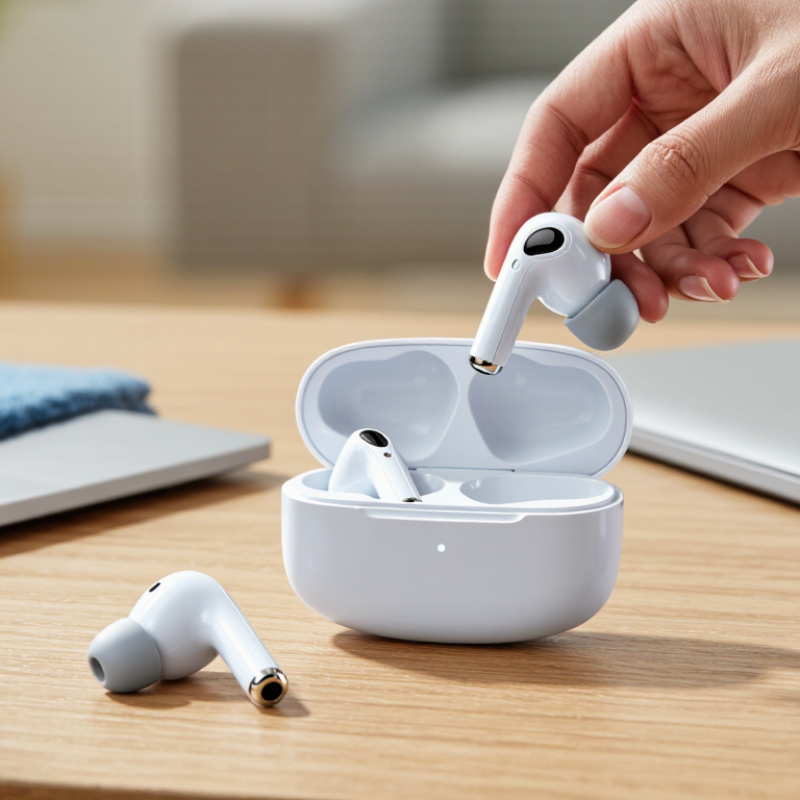
True Wireless Stereo (TWS) speakers are two separate speakers that create left and right audio channels without a cable between them. They normally connect to a phone, tablet, or computer through Bluetooth. One unit handles the left channel, while the other handles the right. Together, they can create a wider and more natural soundstage than a single portable speaker.
The setup is usually simple. Place the speakers several feet apart, turn on pairing, and follow the device instructions. In a small room, this arrangement can make acoustic guitar sound more spacious and voices feel better positioned. TWS systems may also support stereo pairing, wireless charging, and automatic reconnection. These features are useful, but performance depends on room size, battery condition, and Bluetooth stability. Walls and nearby wireless devices can sometimes cause brief audio delays.
The experience is not flawless. I have noticed that two speakers may sound unbalanced when one is closer to a wall. Low frequencies can also feel thin if the units are placed too far apart. A reliable TWS design should keep both channels synchronized and maintain a stable connection during ordinary movement. Check the technical specifications carefully, especially wireless range, battery life, supported audio formats, and water resistance ratings. Marketing language can sound impressive. Actual listening conditions matter more.
True wireless speakers use Bluetooth to receive audio from a phone, tablet, or computer. During pairing, the source device searches for nearby speakers and displays an available connection. After approval, audio travels wirelessly to one speaker or to both speakers. No speaker cable is required.
In a stereo pair, one speaker usually manages the connection with the source. It then shares timing information with the second speaker through a separate wireless link. One unit plays the left channel, while the other plays the right channel. This coordination creates a wider soundstage across a table or small room. The process happens quickly, often with a short tone or flashing indicator. That is the key.
Battery levels, distance, and physical barriers affect performance. A practical test is simple: play a steady rhythm, walk several meters away, and listen for pauses or delayed sound. Walls and crowded wireless environments may weaken the signal. Some systems also compress audio to reduce delay and power use, which can slightly change detail. Newer connection methods improve stability, but they are not perfect. In my view, users often expect instant stereo pairing every time. Real conditions can be less predictable, especially after separate charging or a software update. Reconnecting both speakers, checking their battery levels, and keeping the source nearby usually restores normal operation.
| Data Dimension | Typical TWS Speaker Data | How It Works or Why It Matters |
|---|---|---|
| Primary wireless technology | Bluetooth 5.0 or newer is common | Bluetooth provides the wireless link between the playback device and the speaker system. |
| Pairing process | One source device pairs with the speaker pair | The speakers usually establish a second internal wireless link to synchronize the left and right channels. |
| Stereo channel separation | Left and right channels are assigned separately | Separate speaker positions create a wider stereo image than a single compact speaker. |
| Usable wireless range | Approximately 10–30 m in typical indoor conditions | Walls, metal objects, Wi-Fi traffic, and other Bluetooth devices can reduce the practical range. |
| Bluetooth audio codecs | SBC is widely supported; AAC and higher-quality codecs may also be available | A codec compresses and transmits audio. Actual quality depends on both the source device and the speakers. |
| Audio frequency response | Commonly around 60 Hz–20 kHz for compact models | Larger enclosures and passive radiators generally allow stronger low-frequency reproduction. |
| Typical playback time | Approximately 6–24 hours per charge | Battery life varies with volume, wireless activity, lighting, sound processing, and speaker size. |
| Charging interface | USB-C is increasingly common | USB-C simplifies charging and is widely used across modern mobile devices and accessories. |
| Charging time | Approximately 2–4 hours | Charging time depends on battery capacity, charger output, and the speaker's charging circuitry. |
| Water and dust resistance | Many portable models use IP ratings such as IPX5, IPX6, or IP67 | The first rating digit describes solid-particle protection, while the second describes water protection. IP ratings do not all provide the same level of protection. |
| Sound output | Often approximately 80–100 dB at close range, depending on design | Two synchronized speakers can increase perceived loudness and improve coverage, although maximum output differs by model. |
| Latency | Commonly tens to over 100 milliseconds | Latency depends on the codec, device, signal processing, and connection quality; it may be noticeable during video or gaming. |
| Connection stability | Generally stable within the recommended range | Keeping the source device nearby and reducing physical obstructions helps prevent dropouts. |
| Portability | Usually compact and battery-powered | The absence of speaker cables makes setup easier for travel, outdoor use, rooms, and temporary events. |
| Main popularity factors | Convenience, flexible placement, stereo sound, and cable-free setup | TWS speakers combine simple Bluetooth operation with scalable sound, making them suitable for personal listening and small social spaces. |
Note: The figures above are typical ranges for consumer TWS speaker systems. Actual performance varies according to speaker design, room conditions, codec support, battery capacity, volume level, and wireless interference.
True wireless speakers are popular because they fit naturally into daily routines. Their compact design makes them easy to carry from a kitchen counter to a balcony. Wireless pairing also removes tangled cables and complicated setup. In practical listening tests, stable Bluetooth connections matter more than impressive specifications. A speaker that reconnects quickly feels reliable during a busy morning. Clear vocals, balanced bass, and moderate volume are also useful for podcasts, cooking, and small gatherings.
Tips: Check battery life, water resistance, microphone quality, and charging options before buying. A small speaker may last eight hours, but heavy volume can reduce that time. Also, test connection stability through walls. It is easy to overlook this detail. Poor placement can weaken sound, even with good hardware.
Many TWS speakers now support stereo pairing, allowing two units to create a wider soundstage. Some include hands-free calling, voice control, or low-latency modes for videos. These features add value, but they are not equally useful for everyone. I once chose a model for its deep bass and later found voices sounded muddy. That experience changed how I judge speakers. Sound quality should match the room and purpose. Compact products can sound surprisingly full, yet their small drivers still have physical limits. Battery indicators can also be inaccurate, which is frustrating during outdoor use. Reliable controls, durable materials, and simple charging often matter more than flashy functions.
True wireless stereo (TWS) speakers make it easy to carry sound from a kitchen counter to a picnic blanket. Pair two compatible units, and left and right channels can create a wider stereo image without speaker cables between them. That setup is useful in small rooms, where a single speaker can sound crowded. Bluetooth SIG’s 2023 Market Update forecasts 1.8 billion annual shipments of Bluetooth audio-streaming devices by 2027, reflecting strong demand for cable-free listening. It is a market forecast, not proof that every listener needs another device.
A key benefit is flexibility. Use one speaker for a podcast while cooking, then place a matched pair farther apart for music. Rechargeable batteries also let you listen away from a wall outlet, though real-world playtime can shrink at high volume. Connection stability, pairing steps, and stereo performance vary by model and room; thick walls can interrupt the signal. Wireless is convenient, not magic.
Tips: Place paired speakers at ear height and several feet apart, with an unobstructed path between them. Check whether stereo pairing works across separate devices, and compare tested battery life at moderate volume. Try the controls before buying. They can be surprisingly fiddly.
Before choosing true wireless stereo (TWS) speakers, check how they fit your room, not just their advertised power. Bluetooth SIG’s 2024 Market Update projects more than seven billion Bluetooth device shipments annually by 2028. That growth brings more choices, but also more confusing specifications. For stereo pairing, confirm whether both speakers work independently. Some systems lose left-right balance when one unit moves behind furniture.
Battery life needs practical testing. A claimed 12-hour runtime may fall sharply at high volume. Look for USB-C charging, battery indicators, and replaceable battery options. An IP rating matters near kitchens, balconies, or pools. IPX5 handles water jets, while it does not guarantee protection from dust or immersion. Small details become expensive later.
Audio quality depends on codecs, drivers, and placement. A larger driver does not automatically produce deeper bass. Check supported codecs and Bluetooth multipoint if you switch between a phone and laptop. Latency is important for video and gaming. Counterpoint Research reported approximately 330 million true wireless hearable shipments in 2023, showing strong demand for cable-free audio. However, hearables and TWS speakers are different products. Buyers should not transfer every expectation between them.
I once valued maximum volume too highly; in a small room, harsh sound became tiring within minutes. Independent measurements, return policies, and warranty length deserve equal attention. Statistical growth does not prove personal suitability.
They are two separate speakers that play left and right audio channels without a cable between them. The soundstage may feel wider. Not always.
Put them several feet apart, with a clear path between them if possible. Keep both away from walls. In my room, one speaker near a corner sounded louder.
Usually, you switch on pairing and follow the connected device’s instructions. Check whether both speakers can also work independently. Some systems may lose stereo balance when a speaker moves behind furniture.
Walls and nearby wireless devices can cause brief delays or interruptions. Check the stated range, then test it in your actual room. Specifications cannot predict every dead spot.
Treat advertised runtime as an estimate. High volume can reduce playback time, so look for battery indicators and charging details. A long claim may not match daily use.
It indicates resistance to water jets, not immersion. The “X” does not provide a dust-protection rating. Be cautious near pools.
No. Driver size alone does not determine bass quality. Placement, room size, and speaker design matter too. I once focused too much on maximum volume; it became tiring quickly.
They can, but audio delay may affect lip sync or gameplay. Check latency information and test your usual devices. A good music setup may still feel off during video.
True Wireless Speakers (TWS) are compact audio devices that deliver stereo sound through two separate speakers without physical cables connecting them. Using wireless communication, the speakers pair with a phone, tablet, computer, or other compatible source, then coordinate left and right audio channels to create a wider and more immersive listening experience. Their portable design makes them suitable for homes, offices, outdoor activities, and social gatherings.
TWS speakers are popular because they are easy to set up, lightweight, rechargeable, and flexible to use. Common features include wireless pairing, long battery life, hands-free control, water resistance, adjustable volume, and the ability to connect multiple speakers for stronger sound. Buyers should consider audio quality, connection stability, battery performance, durability, charging options, control methods, and overall price before choosing a model. The best option should match the user’s listening habits, environment, and portability needs.