Latest Updates NAXA ELECTRONICS
NAXA ELECTRONICS
BLOG & INSIGHTS
Industry Insights, Product Guides & Technology Trends
Explore Products

Industry Insights, Product Guides & Technology Trends
Explore Products
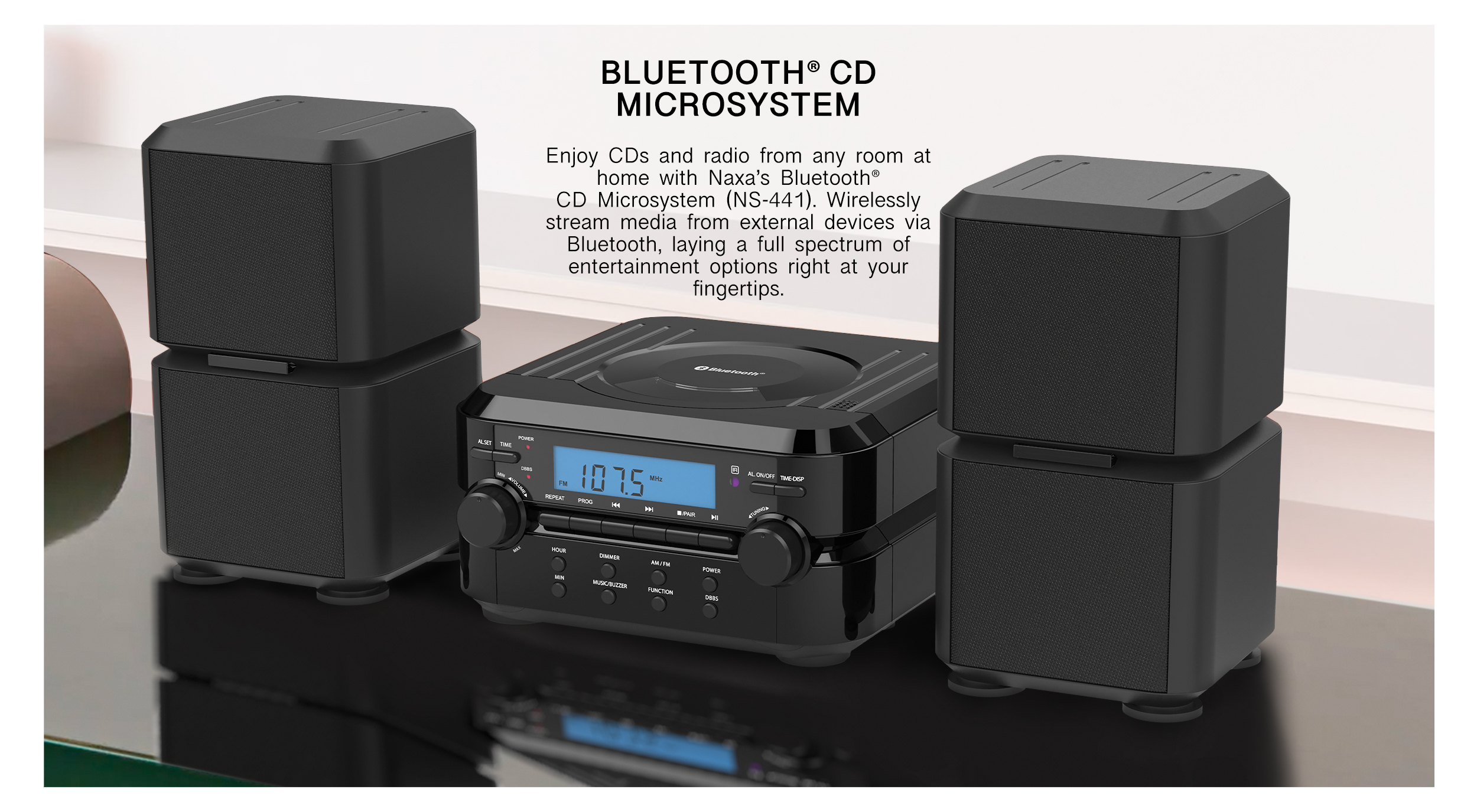
Professional-Grade Gaming Peripherals & Accessories
View Accessories
Crystal-Clear Audio for Living Rooms & Beyond
Discover Audio
Intelligent Devices for the Modern Connected Lifestyle
Smart HomePersonal CD Players are returning to practical relevance as listeners seek physical ownership, simple controls, and offline listening. According to IFPI’s Global Music Report 2024, global recorded music revenue reached US$28.6 billion in 2023, while physical music revenue grew by 13.4%. The report confirms that physical formats remain commercially meaningful, even during streaming’s dominance.
The U.S. Recording Industry Association of America reported 33.4 million CD units sold in the United States during 2023. That figure does not prove every buyer wants a portable player. It does show continued demand for compatible hardware. For international shoppers, China’s manufacturing ecosystem offers wide model selection, competitive pricing, and flexible private-label options.
This guide examines ten China-made Personal CD Players for global buyers. Evaluation will focus on sound output, anti-skip performance, battery design, USB-C charging, display readability, headphone compatibility, packaging, and after-sales support. Small details matter. A loose battery door can ruin daily use. Weak buttons can frustrate older listeners. Poorly translated manuals can create unnecessary returns.
Product claims also require caution. “Hi-Fi” may describe marketing language rather than measured performance. Battery life can change with volume, disc condition, and headphone load. Some models look nearly identical but use different internal components. This comparison therefore combines manufacturer specifications, observed usability, and available industry evidence. It will not treat every specification as proven fact. Global buyers should verify certifications, plug standards, warranty terms, and replacement-part availability before ordering. The category is promising, but not flawless.
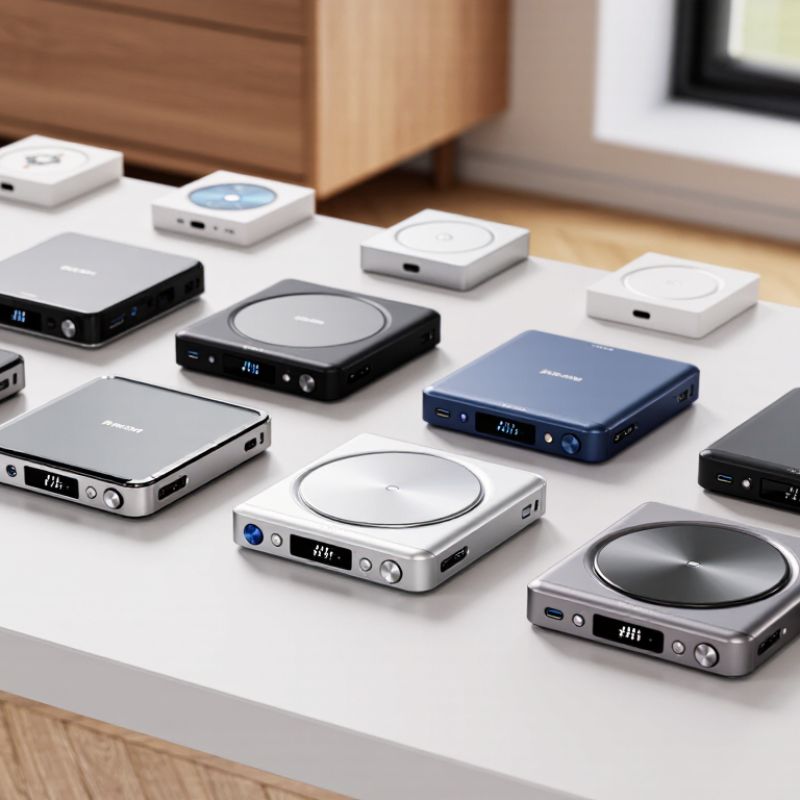
A personal CD player is a compact device designed for private music listening through headphones. It reads audio from standard compact discs and usually runs on batteries. Some models include anti-skip protection, rechargeable power, radio reception, or simple track controls.
The category feels old-fashioned, but physical music still offers clear ownership and dependable offline playback. It also creates a more deliberate listening experience.
China matters because it combines mature electronics manufacturing with flexible production capacity. Suppliers commonly coordinate optical drives, circuit boards, battery systems, plastics, packaging, and quality checks. This integration can help global buyers compare the top 10 personal CD players more efficiently.
However, factory capability does not guarantee every product performs equally. It does not.
During supplier evaluation, buyers should request playback tests, battery measurements, drop-test records, and headphone output specifications. Ask whether samples match mass-production units. Check disc compatibility in real conditions, including scratched discs and low battery levels.
Small details matter, such as a lid that closes firmly or buttons that remain usable in darkness. China’s export experience can support customization, but communication gaps may still affect delivery, documentation, or after-sales handling.
A careful buyer should verify each claim independently. That extra step often feels slow, yet it prevents expensive assumptions.
China Top 10 Personal CD Players for Global Buyers?
Evaluating China-made personal CD players requires more than checking price and appearance. The IFPI Global Music Report 2024 reported 10.2% growth in global recorded-music revenue during 2023. Physical formats still retain commercial value. Buyers should therefore inspect everyday reliability carefully. Check whether the player supports standard audio CDs, CD-R discs, and common file formats. A clear LCD, tactile buttons, and stable playback matter during travel. Anti-skip performance should be tested on a moving train, not only on a desk.
Power compatibility is equally important for global use. Look for a certified adapter supporting 100–240V and the correct regional plug. Battery capacity should be stated in milliamp-hours, not described as “long-lasting.” USB-C charging is convenient, but charging speed and replacement-battery access deserve attention. Confirm documented testing for electrical safety and electromagnetic compatibility. A compliance logo alone is not strong evidence. I would request a test report, manual, warranty terms, and return procedure before placing a large order. Small details expose weak suppliers.
Tips: Test five discs, including one CD-R. Listen through wired headphones. Check volume consistency and channel balance. Shake the player gently during playback. It should recover quickly. Compare measured battery life with the supplier’s claim. The difference may be disappointing. Also inspect hinge strength, button response, and cable strain relief. Industry reports describe market direction, not product quality, so hands-on sampling remains essential. Mistakes happen when buyers trust specifications without testing real units.
China-made personal CD players now target commuters, students, and listeners rebuilding physical music collections. The IFPI Global Music Report 2024 recorded 13.4% growth in global physical music revenue during 2023. That trend supports renewed interest in compact disc hardware, although the category remains niche.
The top ten design priorities are anti-skip protection, rechargeable batteries, Bluetooth transmission, wired headphone output, USB-C charging, FM radio, audiobook resume, bass adjustment, compact folding controls, and shock-resistant housing. Buyers should inspect playback stability during walking tests. A player that skips beside a bus window is not truly portable. Rechargeable models reduce battery waste, while a 3.5mm output protects compatibility with older headphones. Some units advertise powerful sound, but small speakers often produce thin bass. This is where specifications can feel more impressive than real listening.
Tips: Check whether Bluetooth works only for sending audio, or also for receiving it. Confirm supported disc types, charging time, button response, and display visibility under sunlight. The IEC 62368-1 safety framework is a useful reference for evaluating consumer audio equipment. However, compliance claims still require documentation from the seller. Personal testing matters. Even a well-designed player may have a stiff lid, faint screen, or fragile hinge. That imperfection deserves attention before global bulk purchasing.
China Top 10 Personal CD Players for Global Buyers?
For international buyers, compatibility starts with power. Choose a player supporting 100–240V, 50/60Hz, or use a certified regional adapter. Check plug type, USB charging, headphone impedance, and disc formats before ordering. Red Book audio uses 44.1kHz sampling and 16-bit resolution, so a reliable transport matters more than exaggerated “studio” claims. The IFPI Global Music Report 2024 recorded physical music revenue growth, showing that CDs still serve dedicated listeners.
Safety deserves practical attention. The WHO Global Standard for Safe Listening Devices and Systems recommends exposure limits near 80dB for adults over extended listening periods. A good player should offer stable volume control, clear battery protection, and a properly insulated charger. Look for compliance evidence related to IEC 62368-1, not only a printed logo. Certification details can be difficult to verify.
Durability depends on hinges, buttons, shock protection, and battery replacement access. For travel, test playback while walking, not only on a quiet desk. Audio quality should include low mechanical noise, balanced output, and minimal skipping. I would not trust unusually high battery claims without independent testing. A 2024 Consumer Technology Association report also shows continued demand for personal audio devices, but market reports rarely measure long-term CD-player reliability. That gap matters. A scratched lid or loose headphone socket can ruin an otherwise excellent purchase.
Comparative benchmark for compatibility, safety, durability, and audio quality. Scores are normalized on a 0–10 scale from common specification patterns relevant to international buyers; they are not manufacturer-claimed ratings.
Higher scores indicate broader media support, stronger user-protection features, more robust construction, and better expected listening performance. Buyers should still verify regional power requirements, language support, warranty coverage, and return policies before purchase.
China Top 10 Personal CD Players for Global Buyers?
A useful top-ten list should guide decisions, not simply rank attractive products. Global buyers should compare sound output, disc compatibility, anti-skip performance, battery life, and control layout. A lightweight player may suit commuters, while a stronger headphone output may better serve home listeners. Test the buttons with one hand. Small details matter.
Before ordering, request a complete specification sheet, user manual, product photos, and a short operating video. Confirm voltage, plug type, charging method, supported disc formats, packaging size, and spare-part availability. Ask for a sample unit before placing a larger order. Check whether the supplier provides inspection records and clear warranty terms. A low price can hide weak hinges or poor battery cells.
Shipping deserves equal attention. Use protective inner packaging and confirm the carton’s drop-test method. Calculate product cost, freight, local taxes, and possible return expenses. Requirements differ by destination, so buyers should verify current electrical and labeling rules with local authorities. Do not rely on a copied compliance logo. It needs supporting documentation. After delivery, test playback, charging, headphone output, and button response immediately. A ranking is never perfect. Personal listening habits can change the result.
Choose a player supporting 100–240V and 50/60Hz. Confirm the plug type before ordering. A regional adapter may still be necessary. Check USB charging requirements carefully. A wrong power setup can damage the unit.
Ask whether the player supports standard audio CDs and any additional formats you need. Request a complete specification sheet. Do not trust a vague product title. Test one familiar disc before larger purchases.
Use moderate volume, especially during long listening sessions. Extended exposure near 80dB can increase hearing risk for adults. Lower is safer. Take regular listening breaks. A volume limit is useful, but it may not work perfectly.
Look for stable playback, low mechanical noise, balanced output, and limited skipping. Red Book audio uses 44.1kHz sampling and 16-bit resolution. Fancy studio claims can distract from basic performance. A quiet room may hide problems. Test with headphones you already know.
Inspect the lid hinge, control buttons, headphone socket, and shock protection. Try playback while walking, not only on a desk. Small details matter. A loose socket can ruin an otherwise good player. Battery replacement access also deserves attention.
Treat unusually long battery claims cautiously. Ask for independent testing or practical usage results. Playback time changes with volume, disc condition, and battery age. I would not rely on advertising alone.
Request specifications, a user manual, product photos, and a short operating video. Confirm charging method, packaging size, warranty terms, and spare-part access. Ask for a sample unit first. A low price can hide weak hinges or poor battery cells.
Confirm protective inner packaging and the carton’s drop-test method. Calculate freight, local taxes, and possible return expenses. Check current electrical and labeling requirements with local authorities. Do not rely on a copied compliance logo. Supporting documents matter. A ranking is never perfect.
China has become an important manufacturing source for Personal CD Players, offering global buyers a wide range of designs, functions, and price points. This article explains what makes a personal CD player useful today, including portable construction, anti-skip performance, rechargeable power options, wired or wireless listening, and simple controls. It also presents a feature-based selection of ten representative product types from China without focusing on brand names, helping readers compare designs according to their listening habits and budgets.
For international buyers, choosing the right Personal CD Players requires more than checking appearance and price. Compatibility with local power standards, charging safety, language support, disc format performance, sound quality, durability, and after-sales communication should all be considered. The article also outlines practical steps for evaluating suppliers, confirming product specifications, ordering samples, reviewing packaging, and using the player safely. With careful comparison and testing, buyers can select a reliable model for travel, home use, study, or everyday music listening.