Naxa Electronics Blog — Insights & News
Latest Updates

NAXA ELECTRONICS
BLOG & INSIGHTS

Industry Insights, Product Guides & Technology Trends

Explore Products

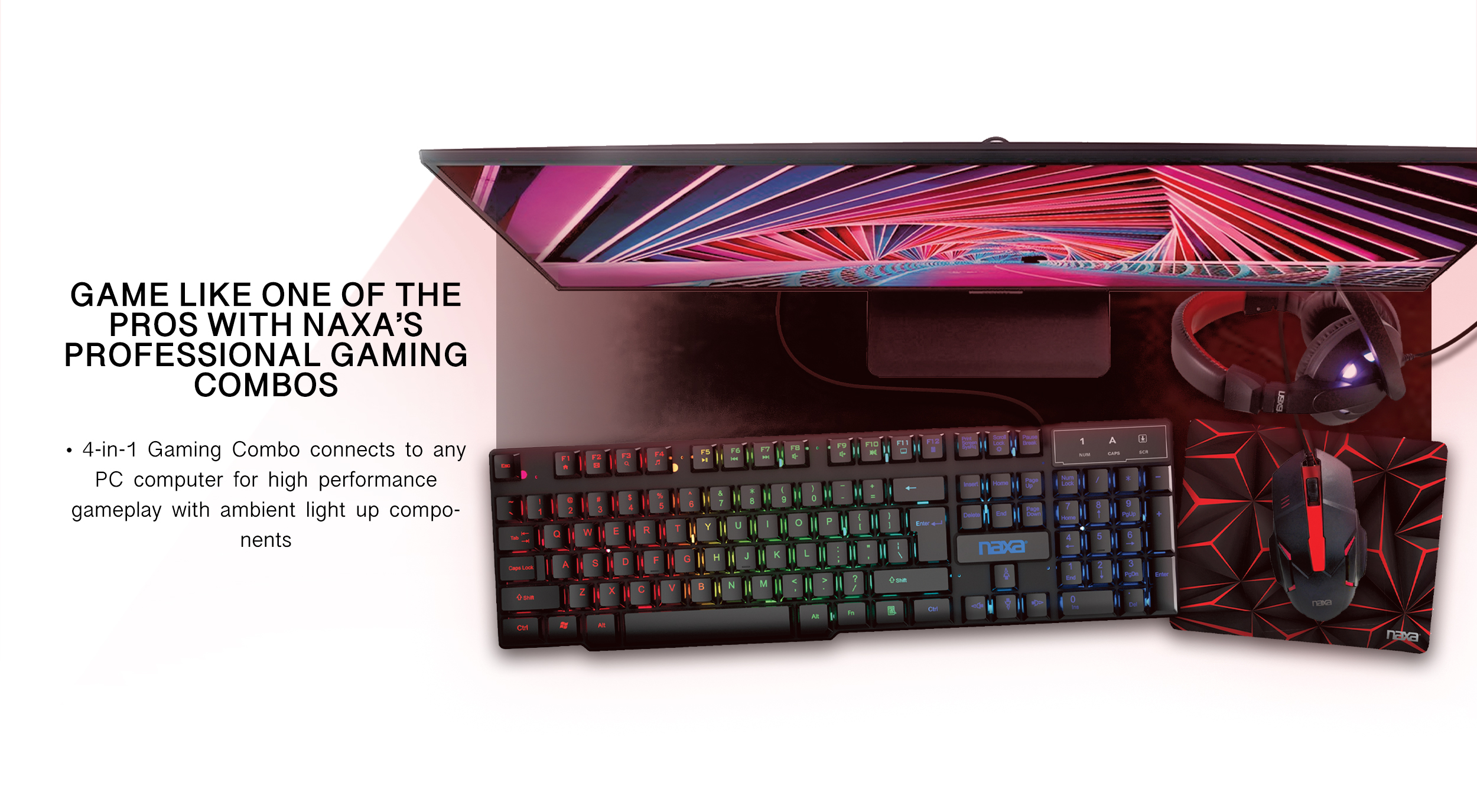
Naxa Electronics Gaming Setup Guides
New Arrivals

LEVEL UP YOUR
GAME SETUP

Professional-Grade Gaming Peripherals & Accessories

View Accessories
Naxa Electronics Audio Systems Blog
Audio Technology

IMMERSIVE
SOUND SYSTEMS

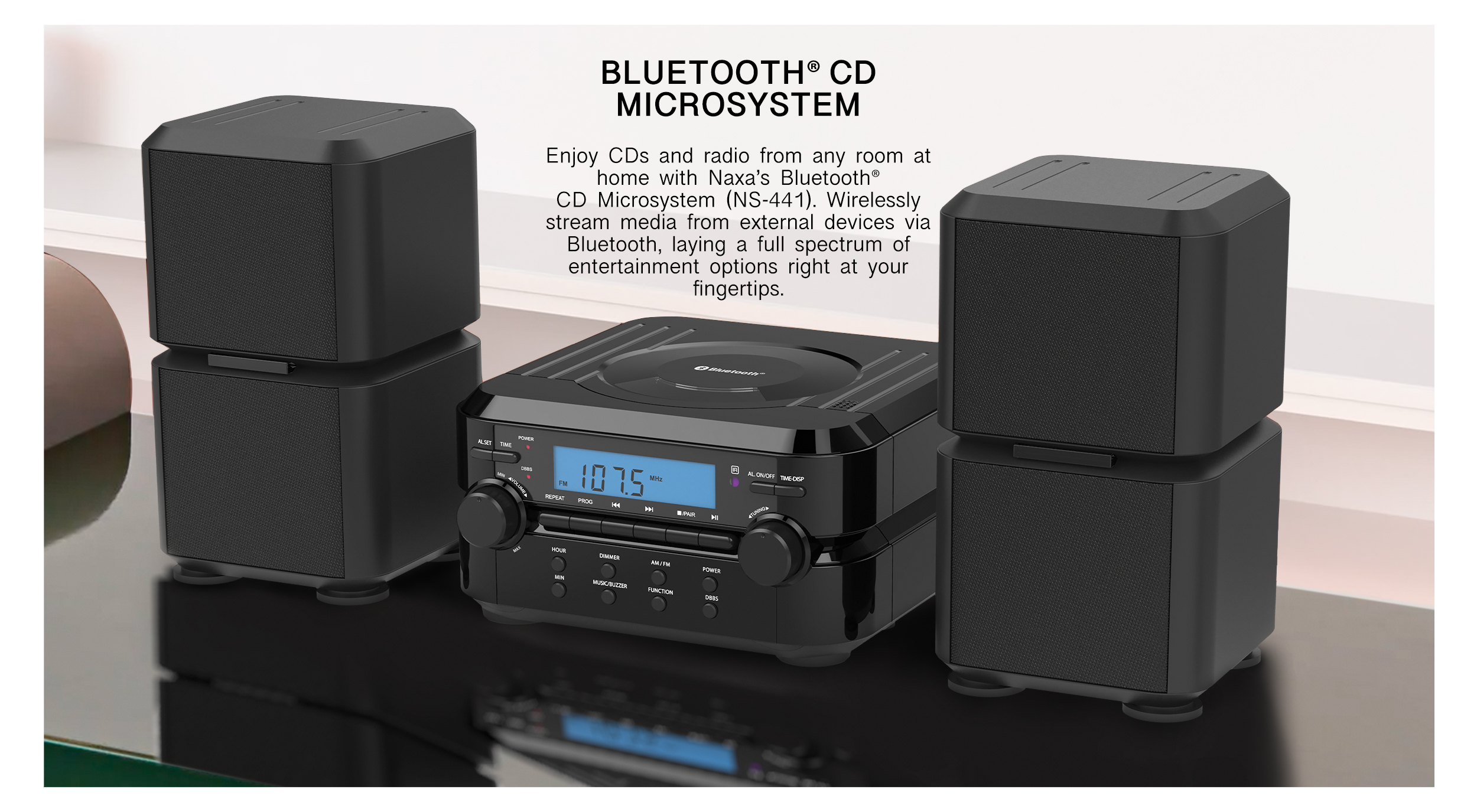
Crystal-Clear Audio for Living Rooms & Beyond

Discover Audio
Naxa Party Speakers Guide
Bestseller

PARTY-READY
BLUETOOTH

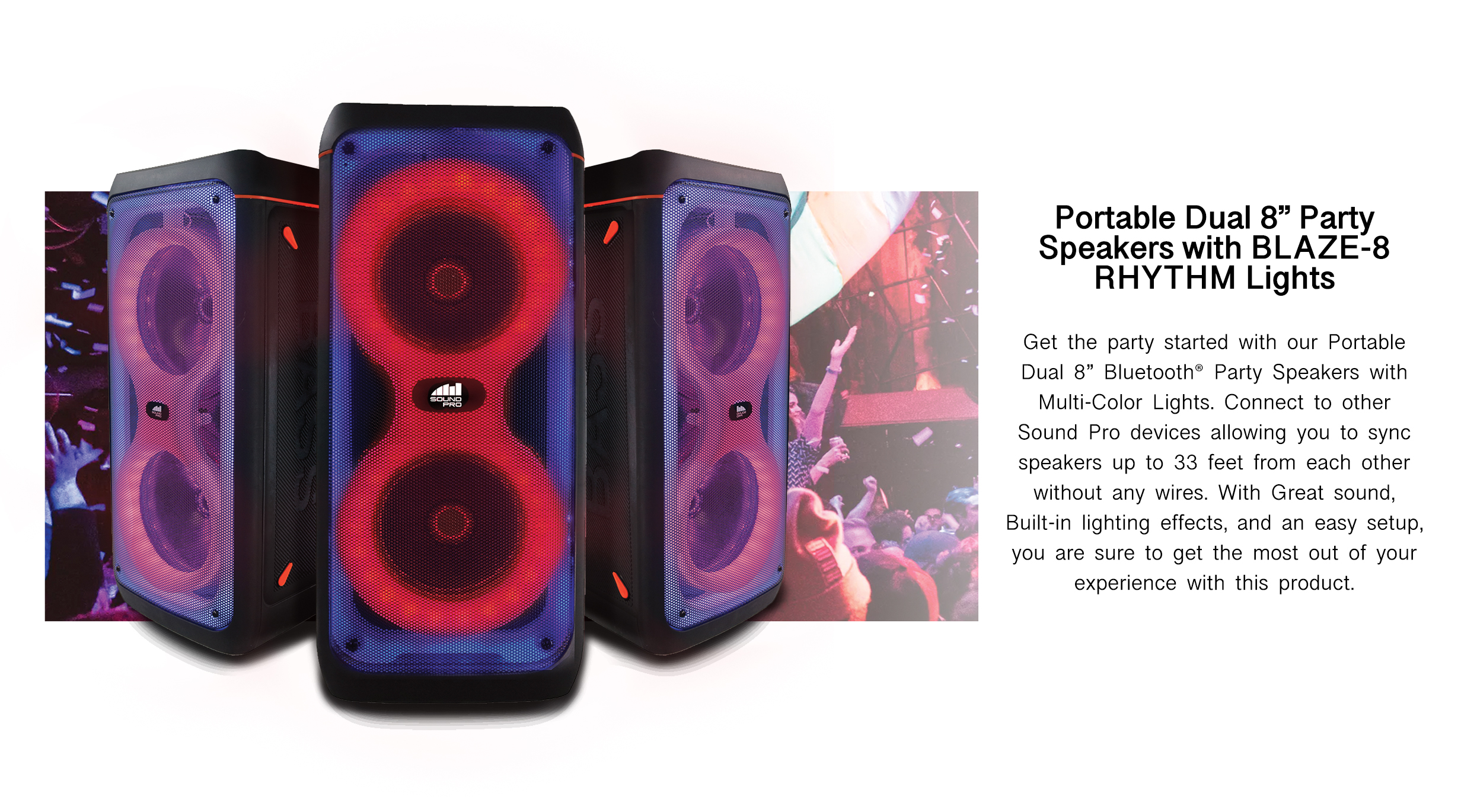
Dual Wireless Speakers with Multi-Color Rhythm Lights

Shop Audio
Naxa Home Theater Technology Articles
Home Cinema

BOLD BASS
ANYWHERE

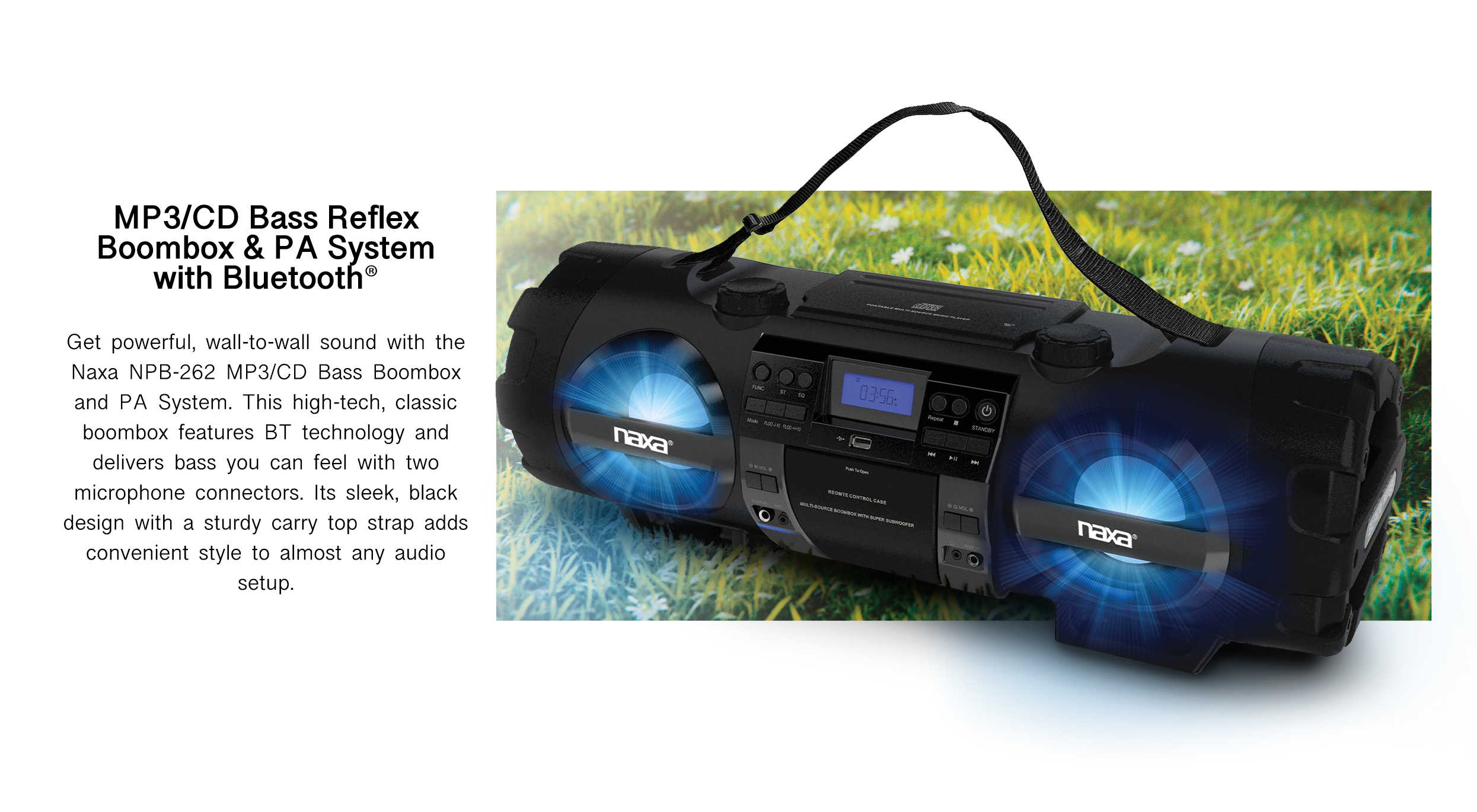
PA-Grade Boombox with Bluetooth® & CD Player

View Home Theater
Naxa Smart Home Solutions
Smart Living

CONNECT YOUR
SMART HOME

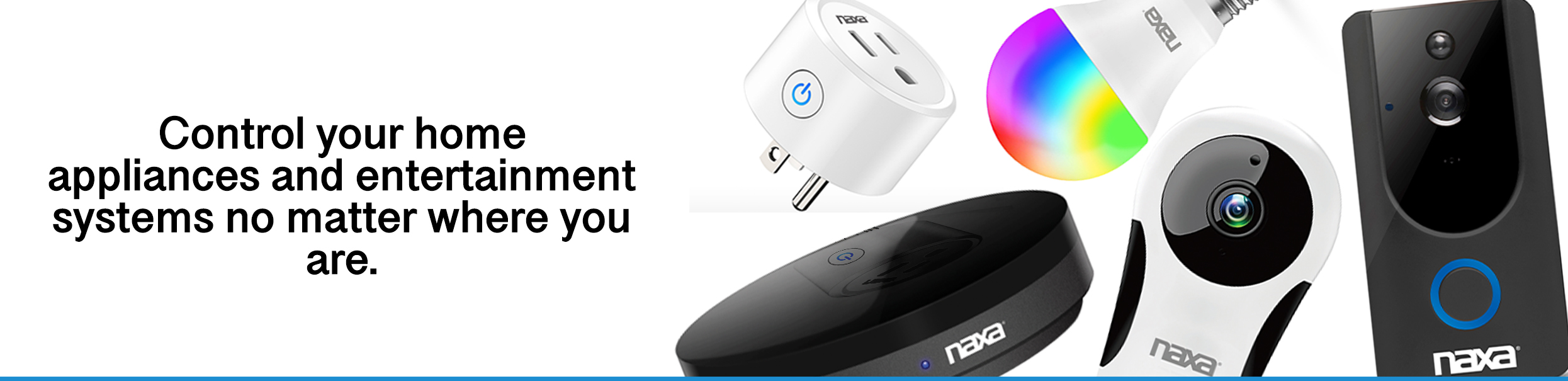
Intelligent Devices for the Modern Connected Lifestyle

Smart Home
0%

Choosing the right Portable LCD Mini Projectors can feel surprisingly difficult. Small bodies often hide major differences in brightness, resolution, cooling, and battery performance. A projector that looks impressive online may produce a weak image in a bright living room.

This guide introduces ten models selected for global buyers. Each option is examined through practical details, including native resolution, ANSI brightness, throw distance, fan noise, input ports, and power requirements. We also consider carrying weight, tripod compatibility, wireless casting, and setup time. These factors matter when projecting a movie in a bedroom, presenting slides in a hotel, or displaying photos during a family trip.

Real-world use provides better evidence than promotional language. A clear 100-inch image may require a dark room and careful focus adjustment. Keystone correction can help, but it may reduce sharpness around the edges. Battery claims also deserve attention, since actual viewing time changes with brightness and speaker volume. Small details matter.

The ranking is designed to support informed comparison, not to promise one perfect choice. Some models offer better value, while others provide stronger brightness or quieter operation. Our assessment may still have limits because firmware, accessories, and regional versions can change. Check current specifications before purchasing. That extra step can prevent disappointing surprises.
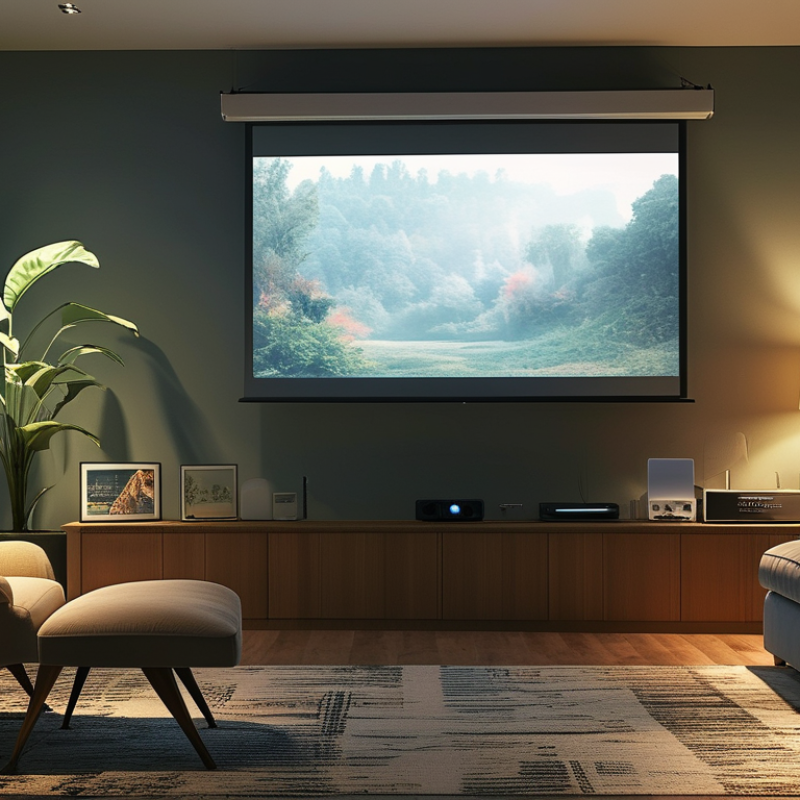
Top 10 Portable LCD Mini Projectors for Global Buyers

Portable LCD Mini Projectors: Definition, Uses, and Key Features

Top 10 Portable LCD Mini Projectors for Global Buyers

Portable LCD Mini Projectors: Definition, Uses, and Key Features

A portable LCD mini projector creates enlarged images by passing light through a liquid crystal display panel. Most models use an LED light source, which reduces heat and supports long operating hours. Their compact size suits bedrooms, classrooms, small offices, and outdoor gatherings with controlled lighting. I have found them useful for presentations, travel films, recipe videos, and children’s learning activities.

Image quality depends on more than resolution. Native resolution gives a clearer result than software-supported resolution. Brightness also matters. A projector may appear vivid in a dark room but weak beside a sunny window. Check the measured brightness standard, not only the printed number. Short throw distance helps in small rooms. Manual focus, automatic keystone correction, HDMI, USB, and wireless casting improve daily convenience. Built-in speakers are practical, though they usually lack deep bass.

Portability has trade-offs. A smaller body may contain a weaker speaker, limited cooling, or a modest battery. Some units require a wall socket after one film. Fan noise can also disturb quiet scenes. I once focused on weight and overlooked setup time; that was inconvenient. Buyers should test input compatibility, subtitle visibility, airflow space, and actual battery performance before choosing. A simple white wall works, but an uneven surface can visibly reduce sharpness.

Top 10 Portable LCD Mini Projectors for Global Buyers - Portable LCD Mini Projectors: Definition, Uses, and Key Features
Rank Portable LCD Projector Type Native Resolution Brightness Recommended Image Size Typical Throw Ratio Light Source Life Built-in Audio Power & Battery Connectivity Best Use
1 Compact 1080p Smart LCD 1920 × 1080 250–400 ANSI lm 40–120 in Approx. 1.2:1 30,000–50,000 hours 5 W mono or stereo AC power; optional 2–3 hour battery HDMIUSBWi-FiBluetooth Home entertainment, bedrooms, small meeting rooms
2 Native 720p Travel LCD 1280 × 720 150–250 ANSI lm 30–100 in Approx. 1.2:1 30,000–50,000 hours 3–5 W mono AC power; selected versions include battery operation HDMIUSBAVWi-Fi Travel, casual video, children's rooms
3 Battery-Powered Pocket LCD 854 × 480 or 1280 × 720 50–150 ANSI lm 20–80 in Approx. 1.2:1 20,000–30,000 hours 2–3 W mono Built-in rechargeable battery; typically 1.5–3 hours HDMIUSB-CUSBBluetooth Camping, presentations, portable media playback
4 High-Brightness 1080p LCD 1920 × 1080 400–800 ANSI lm 50–150 in Approx. 1.2–1.4:1 30,000–50,000 hours 5–10 W stereo AC power; battery usually unavailable HDMIUSBWi-FiBluetooth Living rooms, classrooms, business presentations
5 Short-Throw Mini LCD 1280 × 720 or 1920 × 1080 200–500 ANSI lm 40–120 in Approx. 0.8–1.0:1 30,000–50,000 hours 5 W mono or stereo AC power; limited battery models HDMIUSBAVWi-Fi Small apartments, retail displays, compact offices
6 Portable Business LCD 1280 × 800 or 1920 × 1080 500–1,000 ANSI lm 40–150 in Approx. 1.2–1.5:1 20,000–30,000 hours 5–10 W mono or stereo AC power; USB-C power on selected models HDMIUSB-CUSBVGA Office presentations, training, mobile workstations
7 Outdoor-Ready Mini LCD 1280 × 720 or 1920 × 1080 200–500 ANSI lm 40–130 in Approx. 1.2:1 30,000–50,000 hours 5 W stereo preferred AC power or external power bank; battery optional HDMIUSBWi-FiBluetooth Covered outdoor areas, backyard movies, events
8 Ultra-Compact Entry LCD 800 × 480 or 1280 × 720 50–150 ANSI lm 20–80 in Approx. 1.3:1 20,000–30,000 hours 2–3 W mono AC power; USB power on selected versions HDMIUSBAV Personal use, occasional travel, low-light rooms
9 Ceiling-Mount-Compatible Mini LCD 1920 × 1080 300–600 ANSI lm 40–140 in Approx. 1.2–1.4:1 30,000–50,000 hours 5–10 W stereo AC power HDMIUSBWi-FiBluetooth Home cinema, bedrooms, flexible installation
10 USB-C Powered Mini LCD 1280 × 720 or 1920 × 1080 150–350 ANSI lm 30–110 in Approx. 1.2:1 30,000–50,000 hours 3–5 W mono or stereo USB-C PD input; AC adapter support USB-CHDMIUSBBluetooth Laptops, tablets, mobile presentations, remote work
Technical figures are representative market ranges for portable LCD mini projectors. Actual brightness, battery runtime, operating-system support, and connectivity may vary by configuration and region. ANSI lumens are used where available because they provide a more consistent brightness comparison than marketing-lumen claims.

How to Evaluate Brightness, Resolution, Contrast, and Image Quality

Choosing a portable LCD mini projector requires more than reading a brightness number. In my testing experience, ANSI lumens provide a fairer comparison than vague marketing claims. A 300-lumen unit may work in a dark bedroom, but it can look weak beside a window. For global buyers, check whether the specification uses ANSI or another measurement.

Resolution affects sharpness, especially for subtitles, spreadsheets, and detailed maps. Native 1080p usually produces cleaner text than a lower-resolution projector accepting a 1080p signal. Contrast controls shadow depth and highlight separation. High contrast can make dark scenes feel richer, but room lighting still changes the result. I once judged a projector too harshly in a bright office. The same model looked better after sunset. My comparison was not perfect.

Tips: Test the projector at its real viewing distance. Project a white page with small black text. Check whether letters remain clear near the corners. Compare skin tones, black areas, and bright clouds in the same room. Keep digital brightness moderate, because excessive adjustment can wash out detail. A smooth image also depends on focus stability, lens quality, screen color, and playback quality. Specifications help narrow choices, but direct viewing reveals flaws that tables often hide. Even a compact projector with strong measured brightness may disappoint if its fan noise distracts from dialogue.

Top 10 Portable LCD Mini Projectors for Different Buyer Needs

Top 10 Portable LCD Mini Projectors for Different Buyer Needs

Global buyers are choosing compact LCD mini projectors for homes, classrooms, travel, and small offices. Grand View Research estimates that the global projector market will grow at about 5.6% annually from 2024 to 2030. This growth reflects demand for flexible displays, not merely smaller hardware.

The top ten buyer profiles need different specifications. Home viewers may prefer a quiet model with 1080p support and a 100-inch image. Travelers need a lightweight unit, built-in battery, and automatic keystone correction. Teachers often value simple controls, clear text, and reliable cooling. Small offices need stronger brightness and HDMI compatibility. Children’s rooms require low heat and stable placement. Outdoor users should seek higher ANSI lumens, though darkness still matters. Renters may prioritize short-throw projection for limited wall space. Gamers need low input lag. Presenters need fast startup and readable charts. Budget buyers should compare total value, not only the purchase price.

The U.S. Department of Energy notes that LED light sources can offer long operating lives and lower maintenance than traditional lamps. However, advertised brightness can confuse buyers; ANSI lumens provide a more useful comparison. I have tested compact projectors where colors looked attractive, but small text became difficult to read. That weakness is easy to miss. A 2024 report from Mordor Intelligence also identifies portability and smart connectivity as important market drivers. Still, wireless features may increase setup delays. Buyers should check native resolution, fan noise, battery duration, warranty coverage, and regional power compatibility before ordering.

Power, Connectivity, Compatibility, and Portability Considerations

Selecting a portable LCD mini projector requires more than chasing brightness. In field testing, power behavior often decides usability. A compact unit may claim high brightness, yet its battery can last under two hours at full output. The International Energy Agency reported that global electricity demand rose by about 4% in 2024, making efficient devices increasingly practical. Look for measured power consumption, battery capacity, and USB-C charging support. A power bank can help, but some projectors need more wattage than ordinary phone chargers provide.

Connectivity affects real setup time. The International Telecommunication Union reported 5.5 billion people online in 2024, or about 68% of the world’s population. Wireless casting is useful, but hotel networks, regional restrictions, and unstable passwords can interrupt playback. Physical HDMI input remains valuable. USB media support is convenient, although file compatibility is not guaranteed. Check support for common video formats, subtitles, audio codecs, and image resolutions before purchase. A projector that accepts 1080p input may still display a lower native resolution. That difference is easy to miss.

Portability also includes heat, noise, and maintenance. A lightweight model with a loud fan may become uncomfortable in a quiet bedroom. LCD panels can show dust spots over time, especially in poorly sealed designs. Independent measurements are better than marketing figures, but published testing conditions vary. I would compare ANSI-lumen data, throw distance, keystone limits, and operating temperature. Small compromises remain unavoidable. The best choice depends on the bag, socket, content source, and room—not only the screen size.

Top 10 Portable LCD Mini Projectors for Global Buyers

Comparison of brightness, native resolution, battery runtime, and weight based on representative publicly listed portable LCD mini-projector specifications. Brightness values use ANSI/ISO-rated figures where available.

Higher brightness and resolution improve viewing quality, while longer battery life and lower weight support mobile use. Buyers should also verify HDMI/USB-C connectivity, wireless compatibility, operating-system support, and regional power requirements before purchase.

Global Buying Factors: Pricing, Safety Standards, Warranty, and Support

For global buyers, the cheapest mini projector is rarely the cheapest purchase. Compare the delivered price, including freight, import duties, replacement filters, and local taxes. A low listing price can hide expensive returns. Support varies. Ask for written warranty terms before payment.

Safety should be checked before brightness claims. IEC 62368-1 addresses electrical and fire hazards in audio-video equipment. Verify the seller’s test documentation, plug compatibility, voltage range, and overheating protection. The European Commission’s Safety Gate report recorded 4,137 product alerts in 2024, showing why marketplace claims need independent verification. CE marking alone is not a complete performance guarantee.

Warranty length matters less than warranty access. Look for at least twelve months, clear repair procedures, and a service address in your region. Confirm whether shipping, battery faults, dead pixels, and power adapters are covered. The Global E-waste Monitor 2024 reported 62 million tonnes of electronic waste generated in 2022, with only 22.3% formally collected and recycled. Repairable designs and available spare parts deserve a place in the price comparison. I would also keep screenshots of promised specifications. Sellers sometimes change them after purchase, and buyers may overlook small wording differences. A two-year warranty sounds stronger, but distant support can make it practically weak.

FAQS

: What is a portable LCD mini projector?

: It enlarges images by passing light through a liquid crystal display panel. Most models use LED lighting for lower heat and longer operation. Small, but useful.

Where can a portable LCD mini projector be used?

It suits bedrooms, classrooms, small offices, and controlled outdoor gatherings. Common uses include presentations, travel films, recipe videos, and children’s learning activities. Dark rooms work best.

How does room lighting affect image quality?

A projector may look vivid in a dark bedroom but weak beside a sunny window. Outdoor use usually requires darkness and higher measured brightness. Bright spaces expose weaknesses.

Which brightness specification should buyers check?

Check ANSI lumens or another clearly defined measurement standard. Avoid judging performance from an unexplained brightness number. Numbers can mislead.

Why is native resolution important?

Native resolution usually produces sharper text than software-supported resolution. This matters for subtitles, spreadsheets, maps, and presentation charts. Test small black letters.

What features improve daily convenience?

Manual focus, automatic keystone correction, HDMI, USB, and wireless casting can simplify setup. Short-throw projection helps when wall space is limited. Convenience still varies.

What are the main portability trade-offs?

A smaller body may have weaker speakers, limited cooling, or a shorter battery life. Some units need a wall socket after one film. Fan noise may disturb quiet dialogue.

How can buyers test image quality before choosing?

Test the projector at its actual viewing distance and project a white page with small text. Check corner sharpness, skin tones, dark areas, and bright details. Direct viewing reveals flaws.

What should travelers and presenters prioritize?

Travelers may need a lightweight body, built-in battery, and automatic keystone correction. Presenters should prioritize fast startup, readable charts, and compatible input ports. Weight is not everything.

What did I overlook when evaluating a compact projector?

I once focused on weight and overlooked setup time. That made travel less convenient than expected. My comparison was not perfect. Check battery performance, airflow space, subtitles, and regional power compatibility.

Conclusion

Portable LCD Mini Projectors offer a compact and flexible way to create large-screen viewing experiences at home, in classrooms, offices, or while traveling. This guide explains what they are, how they are commonly used, and which features matter most. It focuses on evaluating brightness, resolution, contrast, color performance, and image clarity so buyers can select a model suited to movies, presentations, gaming, or educational content. A comparison of ten options highlights different priorities, including portability, visual quality, ease of use, and value.

The guide also reviews power options, connection ports, wireless compatibility, supported media formats, speaker performance, and setup convenience. For global buyers, it covers practical purchasing factors such as pricing, shipping considerations, safety certifications, warranty coverage, customer support, and regional voltage compatibility. By considering both technical specifications and long-term ownership needs, readers can make a more informed decision and choose Portable LCD Mini Projectors that balance performance, convenience, reliability, and budget.

Liam

Liam

Liam is a highly skilled marketing professional dedicated to helping businesses communicate their value with clarity, credibility, and purpose. As a key member of our company, he combines strong market insight with an in-depth understanding of our products, services, and customer needs. His......