Latest Updates NAXA ELECTRONICS
NAXA ELECTRONICS
BLOG & INSIGHTS
Industry Insights, Product Guides & Technology Trends
Explore Products

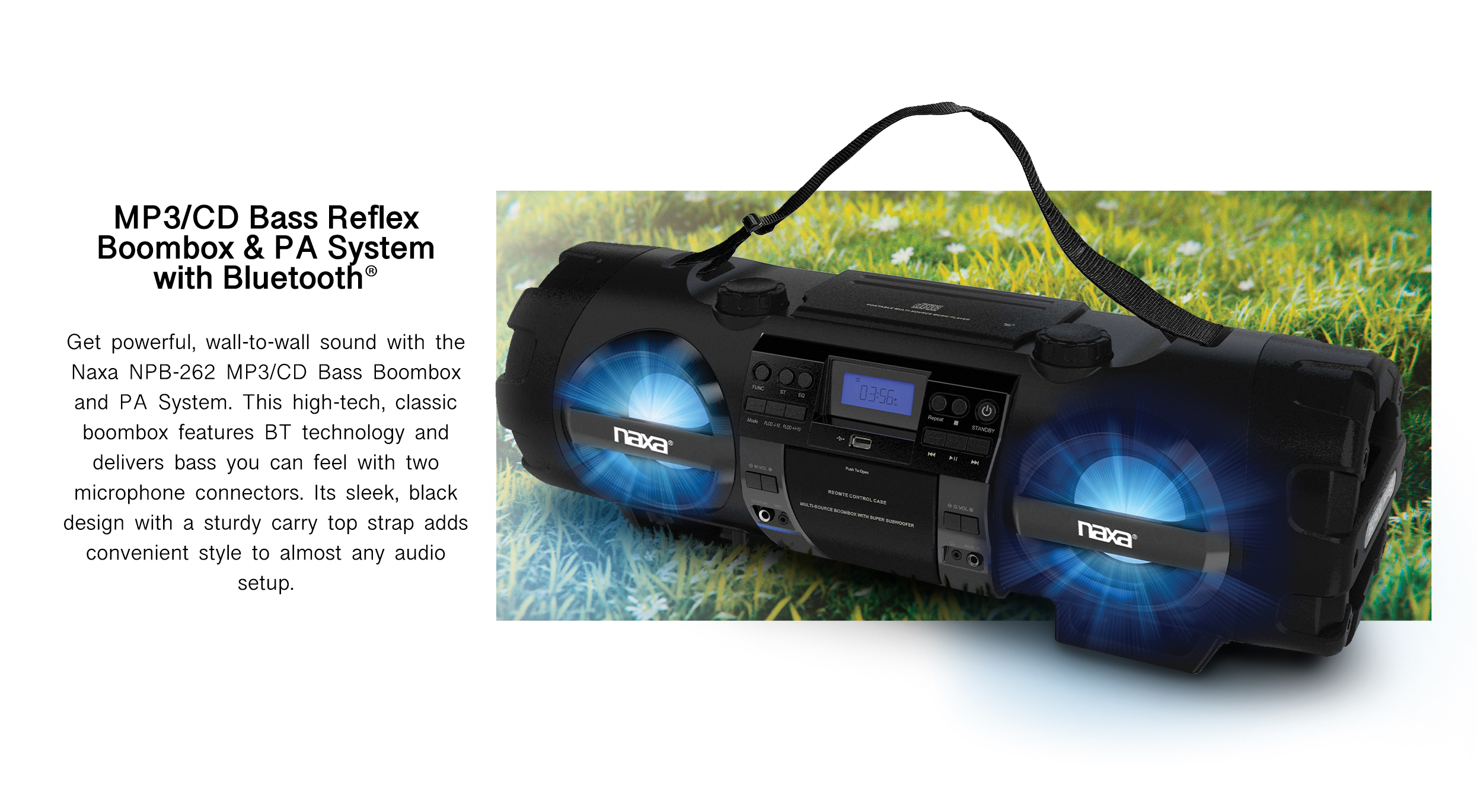
A portable cassette radio player brings two familiar listening formats into one compact device: an analog cassette deck and a built-in radio tuner. It can play recorded tapes through its speaker or headphones, while the radio lets listeners tune into local broadcasts. The controls are hands-on. You may press a firm plastic button, turn a small tuning wheel, and hear the sound shift as the station comes into focus. Simple, but not always effortless.
Portable Cassette Radio Players vary in sound quality, features, and condition. Some include auto-stop, a recording function, or a telescoping antenna; others keep things basic. Tape playback depends on more than the label on the casing. A worn belt, dirty tape head, or aging cassette can cause slow playback, muffled sound, or uneven volume. Small details matter. A clear window helps you check the tape, while a headphone jack makes late-night listening easier.
An illustrative expert line—not a verified quotation—could frame the appeal: audio specialist “Mara Ellison” says, “A good portable player makes the mechanics part of the listening experience.” Treat that as draft wording, not a real attribution. The device is not a modern streaming system, and its limitations are part of the story. You may need fresh batteries, a working tape, and patience when tuning. This guide explains what these players are, how their main parts work, and what to look for before choosing one. Some models are charming. Some are simply inconvenient. That distinction deserves a closer look.
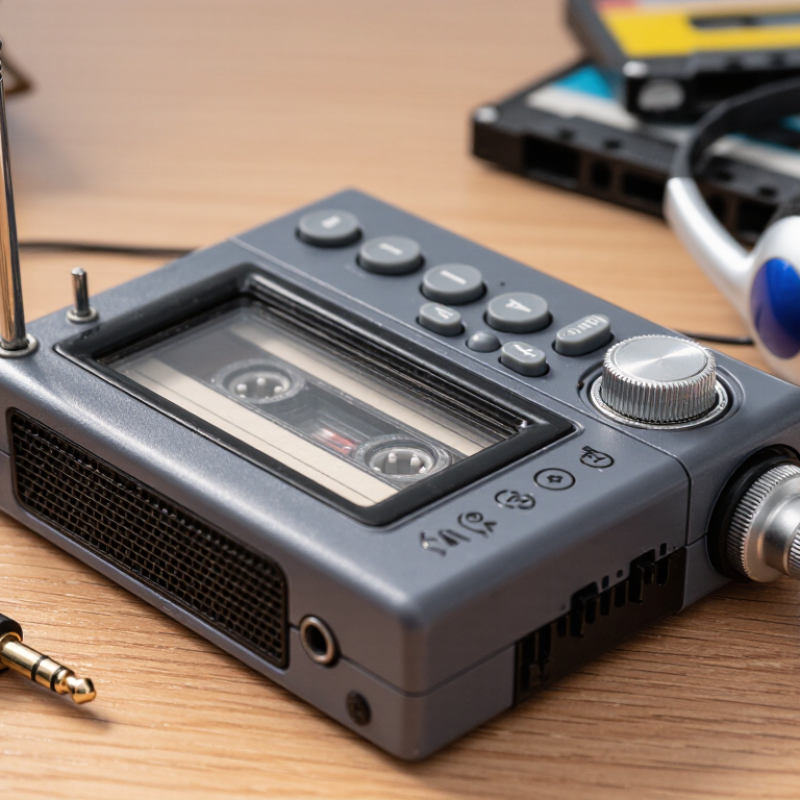
A portable cassette radio player combines an AM/FM radio, a cassette mechanism, and a built-in speaker in one carryable unit. Its case usually holds the tuner, playback controls, and battery compartment. A telescoping antenna helps receive radio signals, while a cassette door protects the tape during playback. The layout is practical, though small buttons can feel cramped.
Inside, a motor moves the cassette tape past a playback head, which reads the recorded sound. The radio section receives broadcasts through its antenna and sends audio to the speaker or headphone jack. Many models also include a volume dial and a switch for choosing radio or cassette playback. It is a simple design. Still, worn belts or dirty tape heads can affect sound, so older units may need careful maintenance.
Tips: Check that the cassette door closes firmly and the controls move smoothly. For clearer radio reception, extend the antenna and adjust its angle. Keep tapes away from heat and dust. A little static is normal, but persistent distortion may signal a maintenance issue.
| What Is a Portable Cassette Radio Player? — Definition and Basic Design | ||
|---|---|---|
| Dimension | Description | Typical Design or Operation |
| Definition | A portable cassette radio player is a battery-powered or mains-powered audio device that combines a cassette tape player with a radio receiver. | It can play prerecorded compact cassettes and receive broadcast radio, usually through a built-in speaker or headphones. |
| Cassette transport | The transport mechanism moves magnetic tape past a playback head at a controlled speed. | Common controls include Play, Stop, Fast Forward, Rewind, and sometimes Pause. Many models use standard compact cassettes. |
| Playback head | A magnetic head converts the recorded signals on the moving tape into an electrical audio signal. | The signal is amplified before being sent to the speaker or headphone output. Tape condition and head cleanliness can affect playback quality. |
| Radio receiver | The radio section receives and demodulates broadcast signals for listening. | Depending on the model and region, reception may include AM, FM, or both. An antenna helps receive radio signals. |
| Audio output | The audio amplifier increases the signal to a level suitable for listening. | Sound is delivered through one or more built-in speakers; many designs also provide a headphone jack. |
| Power source | Portable operation typically relies on replaceable batteries, a rechargeable battery, or both battery and wall-power options. | Battery type and playback time vary by design, battery condition, volume level, and whether the radio or cassette mechanism is in use. |
| Controls and tuning | Physical controls let the listener operate the cassette mechanism and select radio stations. | Tuning may use a rotary dial or electronic buttons. Some models include a frequency display, preset stations, or a mode selector. |
| Basic signal path | Cassette audio and radio audio are routed through the device’s audio circuitry to the selected output. | A mode switch selects the cassette player or radio; the amplifier then drives the speaker or headphones. |
| Portability | The enclosure is designed to be carried and used away from a fixed audio system. | Compact dimensions, a carrying handle or strap, and battery operation are common design features, though size and weight vary. |
| Optional features | Additional functions differ among models and are not required for the basic definition. | Some designs may include a cassette recording function, an external audio input, a telescopic antenna, or a tape counter. |
| Key design idea | The device integrates two listening sources—the cassette transport and radio receiver—in one portable audio unit. | Its essential elements are a power source, cassette mechanism, radio tuner, audio amplifier, controls, and sound output. |
It combines AM/FM radio, cassette playback, and a built-in speaker. You can tune in or press play. One small box.
A motor moves the tape past a playback head, which reads the recorded sound. Dust or worn parts may affect playback.
Many models use replaceable batteries, often AA cells. Some also accept a wall adapter. Check the manual before connecting one.
Extend the telescoping antenna and adjust its angle. A little static is normal. Persistent distortion may need attention.
Make sure the cassette door closes firmly and the controls move smoothly. A dirty tape head or worn belt can make sound uneven.
Start with low headphone volume, then raise it gradually. Small buttons and labels can be hard to use in dim light.
Its light casing and headphone jack can suit travel. Spare batteries may help on longer outings, but a bulky player can feel awkward in a pocket.
It can play older tapes and receive broadcasts without a fixed stereo. Finding a particular recording takes longer than searching a digital library. Not always convenient.
A portable cassette radio player is a compact device that combines a cassette tape player with an AM/FM radio receiver, allowing users to listen to recorded tapes or broadcast programs while on the move. Its basic design typically includes a cassette compartment, tape transport mechanism, radio tuner, speaker or headphone connection, and controls for functions such as play, stop, rewind, and volume. Each component has a distinct role: the tape mechanism moves the tape past a playback head, while the tuner selects radio frequencies and converts signals into sound.
Cassette playback works by reading magnetic patterns on the tape, whereas radio reception relies on an antenna to capture broadcast signals. Portable Cassette Radio Players may use batteries or an external power supply, and their lightweight construction and carrying features make them suitable for travel, outdoor listening, and everyday use. Over time, these devices have shifted from common personal audio equipment to nostalgic or practical alternatives for people who enjoy physical recordings and simple controls.