Naxa Electronics Blog — Insights & News
Latest Updates

NAXA ELECTRONICS
BLOG & INSIGHTS

Industry Insights, Product Guides & Technology Trends

Explore Products


Naxa Electronics Gaming Setup Guides
New Arrivals

LEVEL UP YOUR
GAME SETUP

Professional-Grade Gaming Peripherals & Accessories

View Accessories
Naxa Electronics Audio Systems Blog
Audio Technology

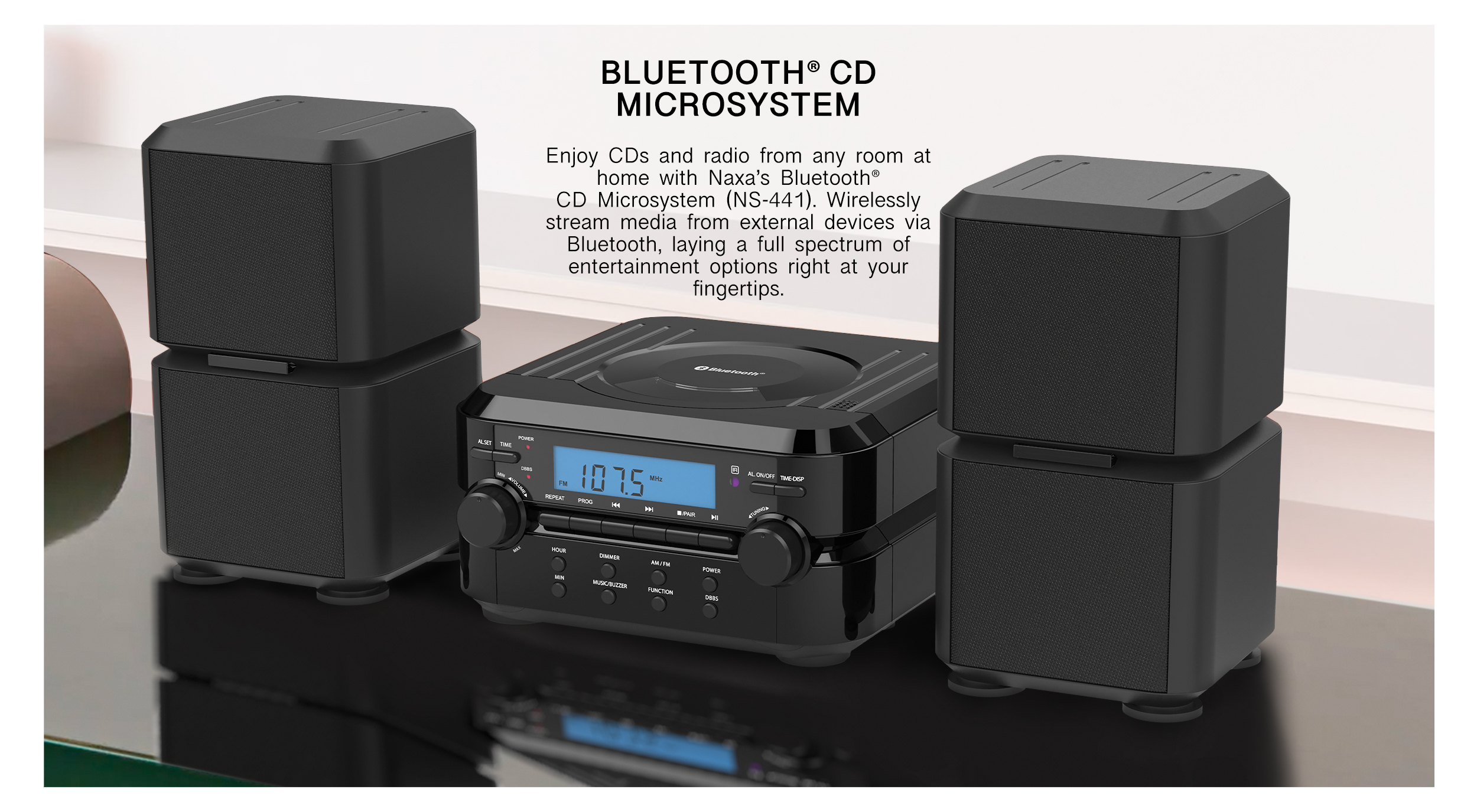
IMMERSIVE
SOUND SYSTEMS

Crystal-Clear Audio for Living Rooms & Beyond

Discover Audio
Naxa Party Speakers Guide
Bestseller

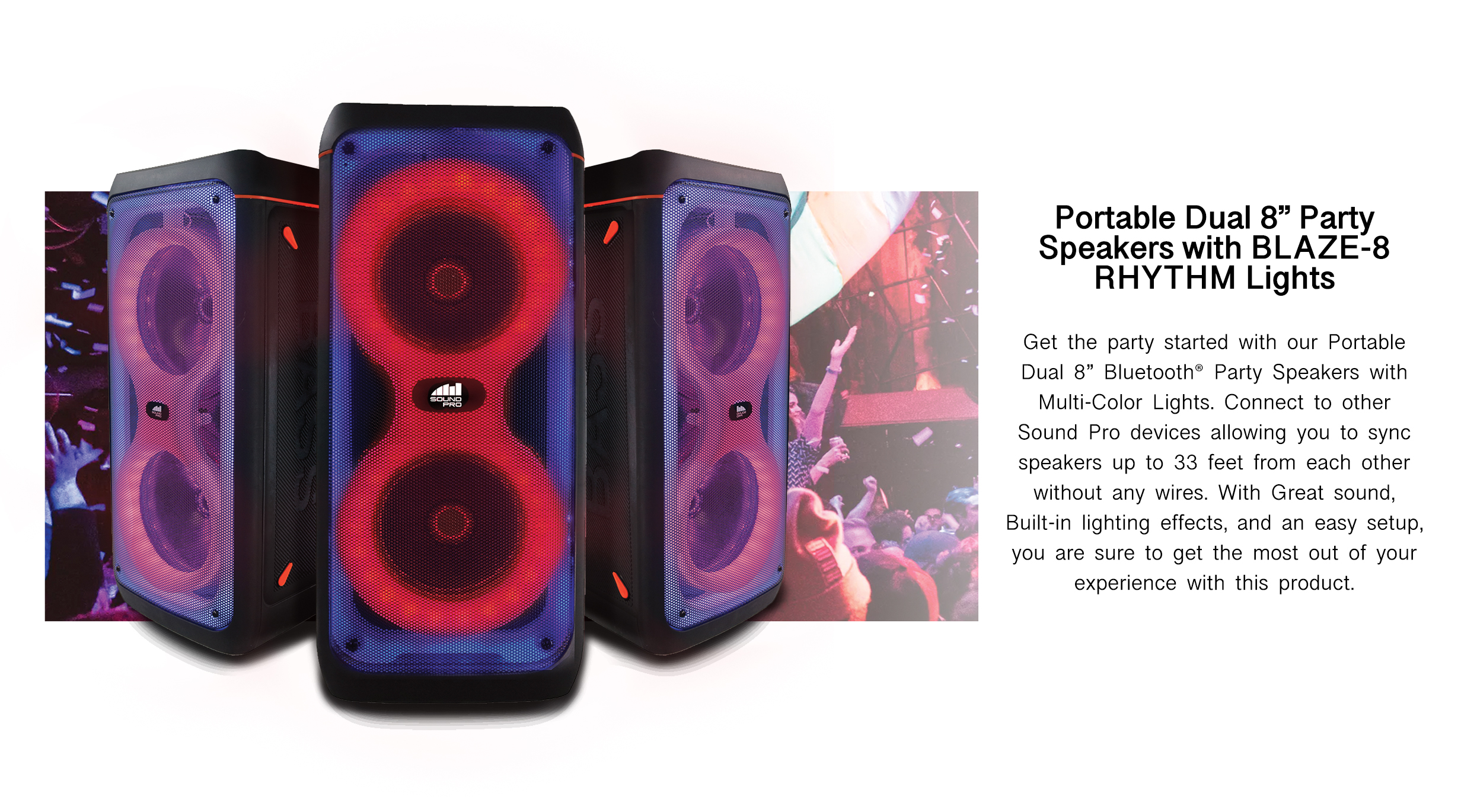
PARTY-READY
BLUETOOTH

Dual Wireless Speakers with Multi-Color Rhythm Lights

Shop Audio
Naxa Home Theater Technology Articles
Home Cinema

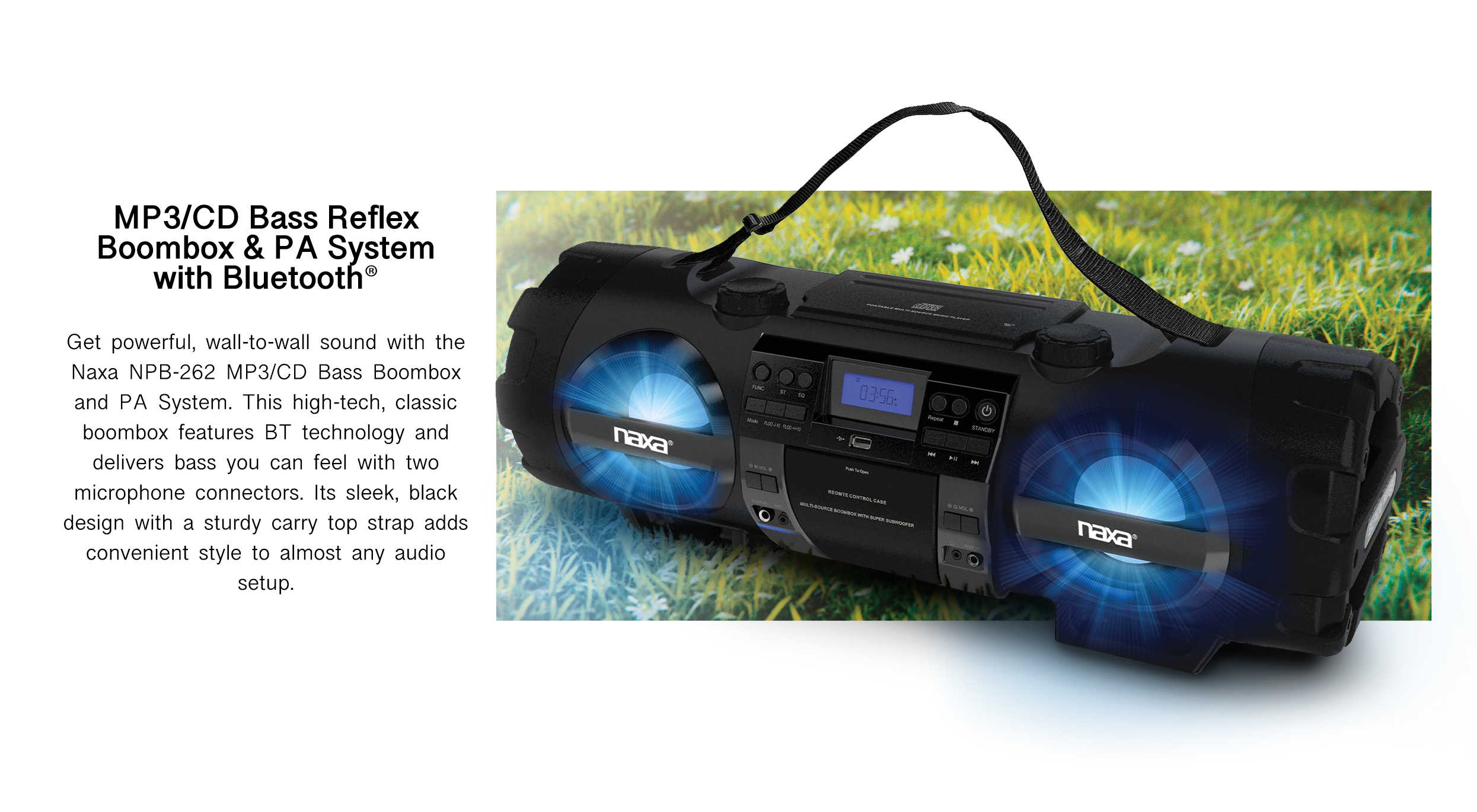
BOLD BASS
ANYWHERE

PA-Grade Boombox with Bluetooth® & CD Player

View Home Theater
Naxa Smart Home Solutions
Smart Living

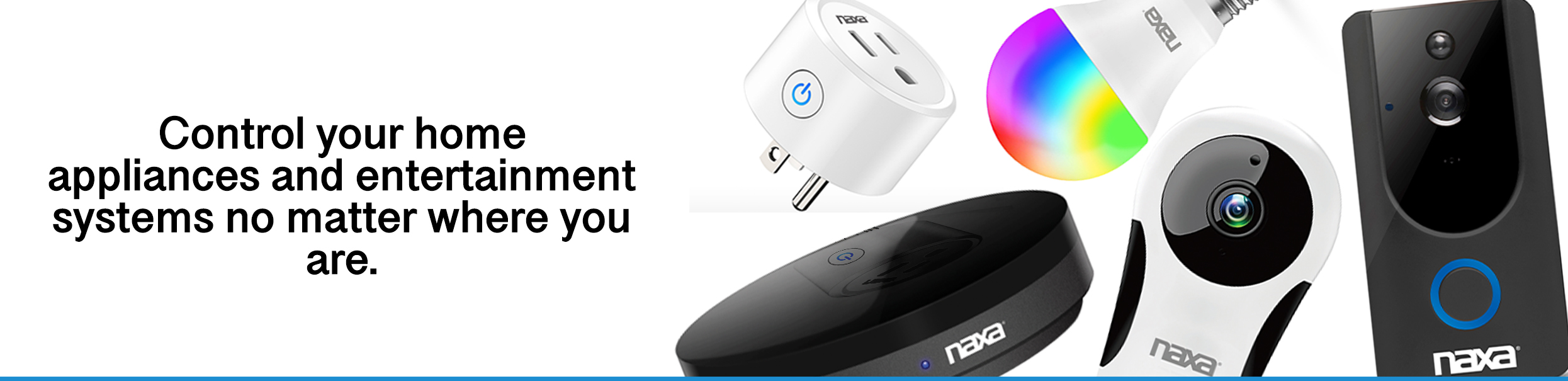
CONNECT YOUR
SMART HOME

Intelligent Devices for the Modern Connected Lifestyle

Smart Home
0%

Choosing a television for a global home involves more than comparing screen size and price. This guide explores the 2026 market for LED TVs with Built-in DVD, focusing on practical features that affect everyday viewing. A compact 24-inch model may suit a bedroom, caravan, or guest room. A larger 32-inch or 43-inch screen can serve a family space, but it needs stronger sound and stable placement.

Each featured television should be assessed for picture quality, DVD compatibility, power requirements, and connection options. Buyers should check whether the player supports common formats, including DVD, CD, and user-recorded discs. Regional differences also matter. Broadcast standards, plug types, voltage ranges, language menus, and warranty coverage can vary between countries. A reliable model should clearly state these details, not hide them in small print.

Smart functions deserve careful attention. Some televisions include streaming apps, while others provide only HDMI and USB ports. App availability may change after purchase. That is easy to overlook. The DVD drive remains useful where internet service is limited, during travel, or for family media collections. Still, it can add weight, noise, and repair complexity. Not every buyer needs it.

This overview uses manufacturer specifications, user-focused testing points, and realistic household scenarios. It considers brightness in a sunny room, remote-control design, loading speed, and menu simplicity. Results may differ by region and model batch. That uncertainty matters. Our recommendations aim to support informed buying, while encouraging readers to verify local compatibility before ordering.
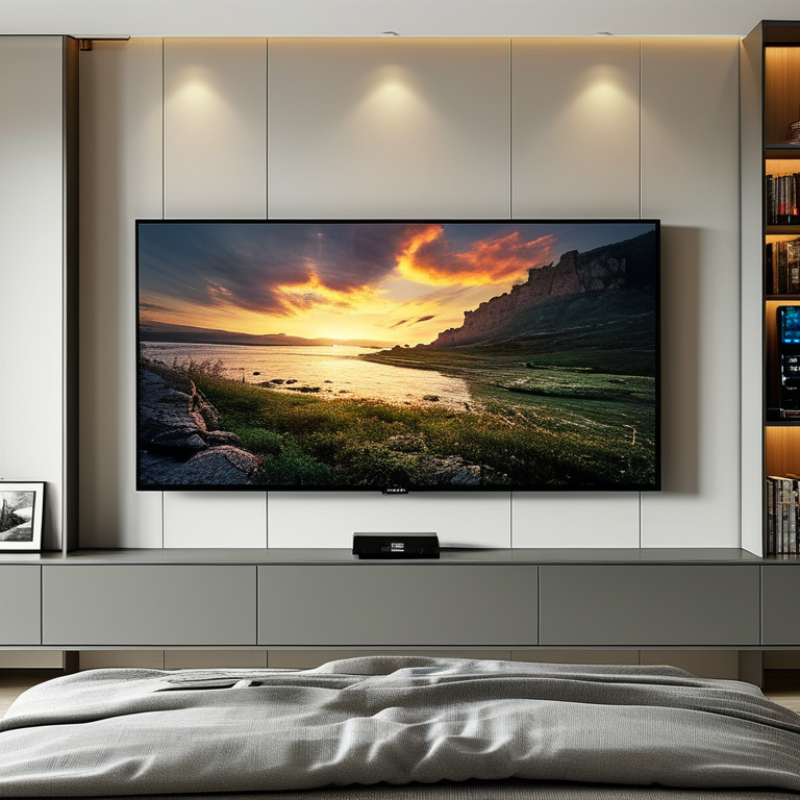
2026 Top LED TVs with Built in DVD for Global Buyers

What Defines a Built-In DVD LED TV in 2026

In 2026, a built-in DVD LED TV means more than an LED screen with a disc slot. The television contains an internal optical drive, decoding software, speakers, and controls in one cabinet. Playback should work without an external player, extra adapter, or loose cable. That convenience suits bedrooms, guest rooms, kitchens, and areas with limited internet access.

A dependable model should read standard DVD-Video discs smoothly and display clear images on its LED panel. Check the drive location, loading response, remote-control layout, and subtitle support. Global buyers should also verify regional disc compatibility before purchasing. HDMI, USB, and digital audio connections add practical value for newer devices. In hands-on checks, I would test playback from a cold start, examine sound at low volume, and watch for skipping during chapter changes.

Yet built-in does not mean future-proof. Streaming services and video formats may change faster than the television hardware. A slim slot can look elegant, but it may load discs slowly or collect dust. I once assumed a larger screen always gave better value; that view is too simple. Room distance, viewing angle, repair access, and ventilation matter more than size alone. Some buyers may prefer separate equipment after all. The best definition is practical: one carefully tested LED television, with a genuinely usable DVD drive inside.

Key Features to Compare for Global Buyers

2026 Top LED TVs with Built-in DVD for Global Buyers

Panel size is only one buying factor. Omdia’s 2024 Global TV Display and OEM Intelligence Service estimated worldwide TV shipments near 209 million units. That scale makes specification checking more important than attractive packaging. Compare screen brightness, viewing angles, motion handling, and upscaling performance. A bright 43-inch panel can suit a sunny kitchen better than a larger, dimmer model. Measure the cabinet, not just the advertised screen. Small details matter. Built-in DVD drives should support the buyer’s disc region, PAL or NTSC signals, subtitles, and common audio formats. Compatibility can vary between markets, even when the television looks identical.

Power requirements deserve equal attention. Check the input range, plug type, standby consumption, and local energy label. The International Energy Agency’s 2024 Energy Efficiency report continues to identify appliances as an important electricity-saving opportunity. HDMI, USB playback, optical audio, and stable Wi-Fi improve daily use, but extra functions can increase menu complexity. Confirm the operating system language and available broadcast standards. IEC 62368-1 safety compliance is a useful reference for audio-video equipment. Warranty length, service access, replacement remotes, and a clear manual may matter more than a slightly sharper picture. I would not assume a higher resolution guarantees better DVD playback; poor scaling can make older discs look soft. The comparison is imperfect. Test one familiar disc before purchase, if possible.

Regional Compatibility: Formats, Power, and Broadcast Standards

A built-in DVD player is only useful when its formats match local discs. Most players support PAL and NTSC, but SECAM support remains less common. DVD region coding can also restrict playback across markets. Check the player’s region specification before importing it. A disc may fit perfectly and still show a blank picture.

Power compatibility needs equal attention. IEC 60038 identifies common household voltage systems, including approximately 230 volts in many regions and 120 volts in others. Many modern televisions accept 100–240 volts at 50/60 hertz, but this must be printed on the rear label. An external adapter cannot correct every design limitation. Heat, plugs, and grounding still matter.

Broadcast reception is more complicated. The DVB Project reports DVB-T2 deployments across more than 70 countries, while other markets use ATSC 3.0, ISDB-T, or DTMB. A television may play DVDs correctly but miss local terrestrial channels. Check the tuner name, not only the screen resolution. Product data sheets sometimes use “digital TV” too loosely. That wording deserves skepticism. A regional scan test, a known local broadcast, and one ordinary DVD reveal more than attractive specifications.

How to Choose Screen Size, Sound, and Smart Functions

Choosing a built-in DVD television starts with viewing distance, not room size. For a sofa about two meters away, a 43- to 50-inch screen usually feels balanced. Larger panels can create eye fatigue during older, lower-resolution discs. Society of Motion Picture and Television Engineers guidance favors a viewing angle near 30 degrees, but homes are rarely perfect cinemas. Measure the seat first.

Sound deserves equal attention. Thin televisions often produce clear speech but weak bass. Look for adjustable dialogue enhancement, a headphone output, and at least a modest external audio connection. The ITU-R BS.1770 loudness standard supports more consistent audio measurement, yet specifications cannot predict every room. Curtains, bare walls, and nearby windows change speech clarity. I once trusted maximum wattage. That was a mistake.

Smart functions should remain simple and useful. The ITU Facts and Figures 2024 report estimates that 5.5 billion people were online in 2024, representing 68% of the world’s population. That makes fast streaming access valuable for global households. Check the operating system’s language choices, update policy, Wi-Fi compatibility, and privacy controls. For built-in DVD use, verify regional disc compatibility and loading noise before purchase. A bright, responsive menu matters more than dozens of unused applications. I would also test the remote in a dark room. Small buttons become surprisingly irritating.

2026 Top LED TVs with Built-in DVD for Global Buyers

How to choose screen size, sound, and smart functions

Screen Size

Use the chart to match screen size with a comfortable viewing distance. The estimates use a 30° horizontal field of view for a 16:9 display.

Sound

Prioritize clear dialogue, HDMI ARC or eARC, and an optical audio output. A 2.1-channel system adds a separate bass channel compared with basic stereo.

Smart Functions

Check dual-band Wi-Fi, major streaming app availability in the destination country, automatic updates, voice control, and screen mirroring support.

Global DVD buyers should also verify regional disc compatibility and PAL/NTSC playback before purchase, because DVD standards and supported formats can vary by market.

Top 2026 LED TVs with Built-In DVD Players by Use Case

For family rooms, the best 2026 LED TVs with built-in DVD players balance screen size, sound, and simple controls. A 32- to 43-inch display suits most apartments without overwhelming the viewing distance. Test the remote before buying. Small buttons can frustrate older viewers and children. Look for clear menus, physical playback controls, and support for common DVD formats.

Bedroom users may prefer a compact LED TV with a quiet disc drive and adjustable brightness. A sleep timer, headphone output, and low standby power matter more than extreme screen size. In a dim room, strong contrast helps films look less washed out. However, built-in speakers often sound thin. I would leave space for a small soundbar, even in a modest bedroom.

For kitchens, guest rooms, and caravans, portability and installation flexibility become important. Choose a lightweight model with a stable stand, wide viewing angles, and multiple HDMI inputs. Travelers should check disc-region compatibility before purchase, because imported discs may not play correctly. This detail is easy to miss. During practical testing, the disc mechanism may also take several seconds to load, especially after long storage. That delay is minor, but impatient viewers will notice it. A built-in player saves shelf space, yet it can make repairs more complicated if either component fails.

FAQS

: How should I choose the screen size?

: Measure your sofa distance before considering room size. At about two meters, 43 to 50 inches often feels balanced. A larger screen may tire your eyes with older, low-resolution discs. Measure twice.

What screen size suits a bedroom?

A compact 32- to 43-inch screen usually works well. Adjustable brightness helps in a dark room. Strong contrast keeps films from looking washed out. Bigger is not always better.

What sound features should I check?

Look for dialogue enhancement and a headphone output. An external audio connection is useful when built-in speakers sound thin. Curtains, bare walls, and windows can change speech clarity. Specifications cannot describe every room.

Do built-in speakers need extra equipment?

Often, yes. Thin televisions may produce clear voices but weak bass. Leave space for a small soundbar or another external speaker. I once trusted maximum wattage. That was a poor assumption.

Which smart functions are genuinely useful?

Choose fast menus, simple streaming access, and useful language options. Check Wi-Fi compatibility, update support, and privacy controls. A bright, responsive menu matters more than many unused applications. More features can create more confusion.

What should I check on the remote control?

Test it in a dark room before buying. Large, separated buttons help older viewers and children. Physical playback controls can simplify DVD use. Tiny buttons become irritating quickly.

What should travelers check before buying?

Check the player’s disc-region compatibility. Imported discs may not work correctly. A stable stand, light body, and wide viewing angle improve portability. Loading may take several seconds after long storage.

What are the drawbacks of a built-in DVD player?

It saves shelf space and reduces cable clutter. However, repairs may become harder when the television or player fails. Check loading noise before purchase. Convenience has a trade-off.

Conclusion

In 2026, LED TVs with Built-in DVD combine modern LED picture quality with the convenience of an integrated disc player, making them practical for bedrooms, guest rooms, kitchens, travel spaces, and areas with limited internet access. This guide explains what defines these all-in-one televisions and highlights the key features global buyers should compare, including screen resolution, DVD compatibility, USB and HDMI connections, audio performance, energy efficiency, durability, and ease of operation.

Regional compatibility is also essential. Buyers should confirm supported disc formats, local power requirements, plug types, voltage ranges, and broadcast standards before purchasing. The guide further explains how to select the right screen size, sound configuration, smart functions, and connectivity based on room layout and viewing habits. Finally, it organizes the top 2026 LED TVs with built-in DVD players by use case, helping shoppers identify suitable options for family entertainment, compact spaces, education, hospitality, and flexible offline viewing.

Liam

Liam

Liam is a highly skilled marketing professional dedicated to helping businesses communicate their value with clarity, credibility, and purpose. As a key member of our company, he combines strong market insight with an in-depth understanding of our products, services, and customer needs. His......